
Best Oral Care Tips and Tools for Limited Mobility and Dysphagia


A clean mouth can affect comfort, appetite, speech, confidence, and infection risk. Yet oral care becomes much harder when someone has weak grip, reduced arm movement, fatigue, tremors, pain, or dysphagia.
The challenge is not just brushing teeth. It may include opening toothpaste, controlling saliva, avoiding choking, cleaning dentures, reaching the back teeth, or keeping the person comfortable in bed. Small changes in tools and routine can make daily care safer and less stressful.
This guide covers practical products, safe techniques, and caregiver tips for better oral care for people with limited mobility. It is for general information only and does not replace advice from a dentist, doctor, speech therapist, or other healthcare professional.
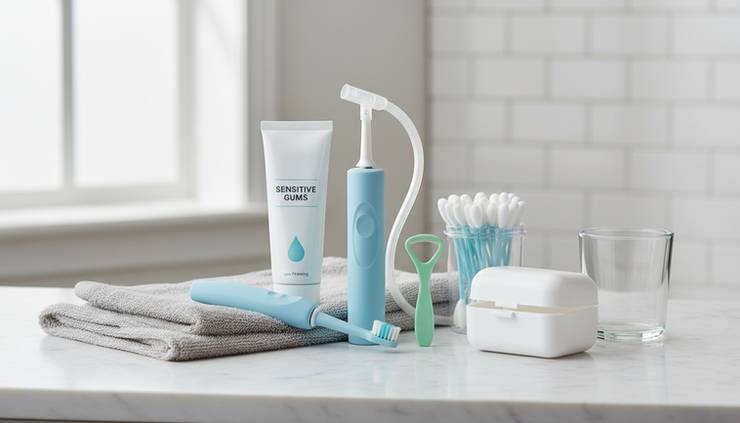
Choose toothbrushes and toothpaste that reduce effort for those with limited mobility
The best toothbrush is the one that can be used safely and consistently. For people with limited mobility, comfort and control matter as much as cleaning power.
Electric toothbrushes can do more of the work
An electric toothbrush is often helpful when hand movement is limited. The brush head moves on its own, so the person does not need to scrub hard. This can be useful for arthritis, tremors, stroke recovery, fatigue, or reduced shoulder movement.
Look for these features:
Large handle
A thicker handle is easier to grip, especially for stiff or painful fingers.
Small brush head
A compact head can reach the side teeth and back molars with less mouth opening.
Soft bristles
Soft bristles are kinder to gums and tooth roots.
Two-minute timer
A timer helps keep brushing consistent without guesswork.
Pressure sensor
This can warn when the brush is pressed too hard, which helps protect gums.
If vibration feels unpleasant, try a lower setting or a manual brush with adaptive grips. Some people tolerate vibration better after a few short practice sessions.
Manual toothbrushes still have a place
A manual toothbrush may suit someone who dislikes noise, vibration, or charging devices. Choose a soft-bristled brush with a small to medium head. A child-size toothbrush can also work well for adults who have a small mouth opening or sensitive gag reflex.
To improve grip, add:
A foam tube over the handle
A bicycle handlebar grip
A tennis ball with a slit for the toothbrush handle
A rubber grip sleeve
A built-up handle from an occupational therapy supplier
The goal is simple. The hand should not need to squeeze tightly.
Suction toothbrushes may help when rinsing is unsafe
Some people with dysphagia cannot swish and spit reliably. Others hold liquid in the mouth or cough when rinsing. In these cases, a suction toothbrush may be recommended in care settings or by healthcare professionals. It removes fluid and debris while brushing, which can reduce pooling in the mouth.
Suction tools should be used only if the caregiver has been trained and the equipment is available and clean. If in doubt, ask a dentist, nurse, or speech therapist for guidance.
Pick toothpaste with comfort and swallowing safety in mind
Fluoride toothpaste helps protect teeth from decay. For most adults, a pea-sized amount is enough. For someone who cannot spit fully, a dentist or speech therapist may suggest using a smear instead.
Useful toothpaste features include:
Low-foaming formula
Less foam can mean less gagging and less fluid to manage.
Mild flavour
Strong mint can sting or trigger coughing in some people.
Sensitivity support
Toothpaste for sensitive teeth may help if exposed roots or gum recession cause discomfort.
Flip-top cap or pump
Easier packaging can make independent brushing more realistic.
Avoid using large amounts of toothpaste for someone who has swallowing difficulties. More paste does not mean cleaner teeth. It often means more foam, more residue, and more need to spit.
Make rinsing and cleaning safer for dysphagia
For many people, the riskiest part of oral care is not brushing. It is managing liquid, saliva, and residue after brushing. Dysphagia changes the routine.
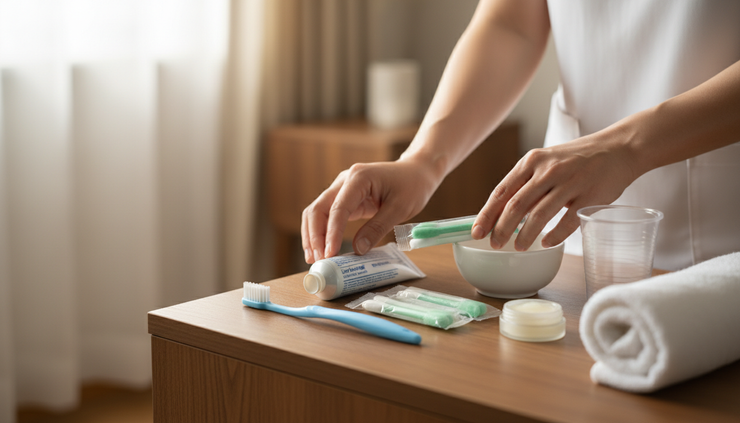
Position the body before starting
Good positioning lowers the chance of choking and makes cleaning easier.
If the person can sit up, aim for an upright position with the head slightly forward. If they are in bed, raise the head of the bed as much as is safe and comfortable. Turn the head slightly to one side if recommended by the care team, especially when removing saliva or toothpaste.
Avoid brushing while the person is lying flat. Fluid can collect at the back of the throat.
Use less liquid
Rinsing with a full mouth of water can be unsafe for someone with dysphagia. Safer options may include:
Using a damp toothbrush after brushing to wipe away residue
Offering tiny sips only if approved by the speech therapist or doctor
Wiping the teeth and gums with damp gauze
Using suction if trained and available
Choosing low-foaming toothpaste
Alcohol-free mouthwash may help some people, but it is not suitable for everyone. It can still be difficult to spit out. Some mouthwashes also sting or dry the mouth. If a rinse is needed, ask a dentist which type is suitable and whether it should be applied with a swab instead of swished.
Clean in a steady order
A simple pattern prevents missed areas. Try this routine:
Brush the outer surfaces of the upper teeth.
Brush the outer surfaces of the lower teeth.
Brush the chewing surfaces.
Brush the inner surfaces.
Gently brush the gumline.
Clean the tongue if tolerated.
Wipe away residue from cheeks, lips, and gums.
Use slow, gentle movements. Pause if the person coughs, gags, becomes breathless, turns pale, or looks distressed.
Be careful with swabs
Foam swabs can help moisten the mouth and remove loose debris. They are not a full replacement for brushing because they do not remove plaque as well as bristles. Use them as a support tool, especially when the mouth is dry or the person is too tired for a full clean.
Check that the foam tip is secure before use. Do not soak swabs heavily if swallowing is unsafe.
Do not forget the tongue, lips, and cheeks
Bacteria and food debris collect on soft tissues too. A soft tongue cleaner or the back of a toothbrush can help remove coating from the tongue. If a tongue cleaner triggers gagging, clean only the front part of the tongue.
For dry or cracked lips, apply a suitable lip balm after cleaning. Dry mouth can make speaking, eating, and wearing dentures more uncomfortable, so comfort care matters.
For dysphagia, swallowing difficulties, or when someone is bedridden, swabs, a small toothbrush, low-foaming toothpaste, denture-care supplies, alcohol-free mouth wash, and a tongue cleaner may all have a place in the routine, but the safest combination depends on the person’s swallowing ability.
Use adaptive oral care tools to protect independence for those with limited mobility
Adaptive oral care tools can reduce pain, save energy, and allow a person to do more for themselves. They also make caregiving easier and more consistent.
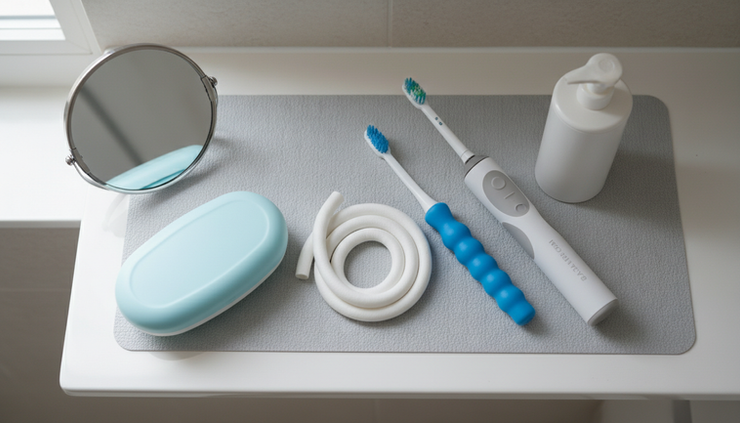
Tool | How it helps | Practical tip |
Built-up toothbrush handle | Easier grip for weak, stiff, or painful hands | Choose a handle thick enough to hold without squeezing |
Angled toothbrush | Helps reach back teeth with less wrist movement | Try different angles to find the least tiring position |
Electric toothbrush | Reduces scrubbing effort | Hold the brush still on each tooth for a few seconds |
Toothpaste pump or dispenser | Easier than twisting small caps | Place it on a non-slip mat |
Non-slip mat | Keeps items from sliding | Use it near the sink or bedside tray |
Long-handled mirror | Helps see the mouth during care | Useful for caregivers and self-care |
Floss holder or interdental brush | Easier than wrapping floss around fingers | Ask a dentist which size fits the gaps |
Denture brush and denture box | Supports safe denture-care | Clean dentures over a towel or basin to prevent breakage |
If grip is poor, place the toothbrush in the person’s hand and guide the movement from the wrist or elbow rather than taking over immediately. This supports independence and preserves routine.
For one-sided weakness, setup makes a big difference. Put supplies on the stronger side. Use pump dispensers. Open caps before starting. Place a towel under the chin and keep a small basin nearby.
Dentures need daily care too
Dentures can trap food and bacteria. They should be removed and cleaned daily unless a dentist says otherwise. Brush dentures with a denture brush and a suitable cleanser. Avoid using hot water, which can distort some dentures.
The gums, tongue, and roof of the mouth still need cleaning even when there are no natural teeth. Leaving dentures out for part of the day, often overnight, may help the tissues rest, but follow the dentist’s advice.
If dentures suddenly feel loose, rub, cause ulcers, or affect swallowing, arrange a dental review. Poorly fitting dentures can make eating and speaking harder, and they may increase discomfort during oral care.
Plan dental check-ups around mobility and swallowing needs
Regular dental check-ups help catch problems early, before they become painful or difficult to treat. This matters even more when daily cleaning is challenging. Plaque, dry mouth, medication side effects, reduced saliva, and diet changes can all affect oral health.
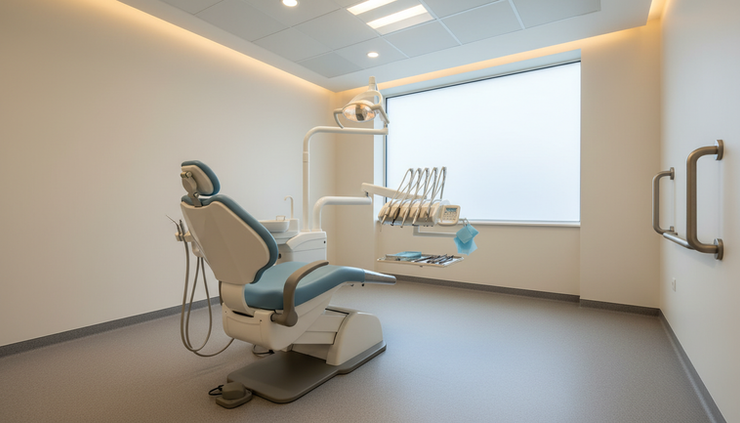
Tell the clinic what is needed before the visit
When booking, share practical details such as:
Wheelchair access needs
Whether the person can transfer to the dental chair
Difficulty lying flat
Dysphagia or aspiration concerns
Communication needs
Medication list
Medical conditions such as stroke, Parkinson’s disease, dementia, diabetes, or heart conditions
Whether a caregiver will attend
This helps the dental team plan a safer and more comfortable appointment. The clinic may offer a longer slot, extra breaks, a more upright chair position, or advice on whether medical clearance is needed.
Bring useful items from home
A familiar setup can reduce stress. Consider bringing:
Current toothbrush, toothpaste, and denture products
List of medications and allergies
Dentures, retainers, or mouthguards
Towel or bib if drooling is an issue
Communication board or notes if speech is difficult
Water or thickened fluids only if approved for the person
For people who tire easily, choose an appointment time when energy is usually best. Avoid scheduling right after meals if reflux, coughing, or fatigue is common.
Ask for a prevention plan
A good dental visit should end with clear home advice. Ask about:
Brush type and technique
Fluoride needs
Dry mouth care
Denture fit
Gum health
Safe ways to clean between teeth
How often check-ups should happen
Warning signs that need urgent attention
Seek dental help sooner if there is swelling, bleeding that does not settle, mouth ulcers that do not heal, broken teeth, loose dentures, pain, bad breath that persists, or a sudden refusal to eat or drink.
Build a caregiver routine that feels calm and respectful
Caregivers often carry the hardest part of oral care. The person may be tired, anxious, unable to open their mouth fully, or embarrassed about needing help. A calm routine can protect dignity and improve cooperation.

Prepare before you begin
Gather everything first. Stopping halfway to search for supplies can make the person cold, tired, or frustrated.
A simple oral care kit might include:
Soft toothbrush or electric toothbrush
Low-foaming fluoride toothpaste
Cup or approved rinse option
Towel and small basin
Foam swabs or gauze
Denture brush and denture box
Lip balm
Torch or small light
Gloves if needed
Waste bag
Wash hands before and after care. Clean and dry tools after use. Replace toothbrushes regularly, especially after illness or when bristles fray.
Explain each step
Even when someone has memory or communication difficulties, explanation matters. Use short, clear phrases.
Try:
“I’m going to help brush your teeth now.”
“Please open a little.”
“We’ll take a break.”
“I’m wiping your lips.”
“All done.”
Watch for non-verbal signs of pain or distress, such as pulling away, clenched jaw, watery eyes, coughing, grimacing, or sudden agitation. These signs may mean the technique needs changing or there is a dental problem.
Encourage participation
Oral care should not become a task done to someone. Invite the person to do any part they can manage.
They may be able to:
Hold the toothbrush
Brush the front teeth
Rinse or spit with support
Remove dentures
Apply lip balm
Choose between two toothpaste flavours
Signal when they need a break
Small choices help preserve control.
Keep the routine predictable
Many people do better when oral care happens at the same time and place each day. Morning and bedtime brushing are common, but the best schedule is the one that can be maintained safely. If a full clean is too tiring, split the routine into shorter sessions.
For example, brush teeth in the morning, clean dentures after lunch, and do a gentle mouth wipe at bedtime. If the person eats frequent small meals, check for food pocketing in the cheeks after meals.
Know when to pause
Stop and seek advice if the person coughs repeatedly during care, has wet-sounding breathing, cannot clear fluid, becomes very distressed, or shows signs of choking. For ongoing swallowing concerns, a speech therapist can advise on safer positioning, fluid consistency, and oral care methods.
A safer mouth care routine is built one small change at a time
The right oral care plan does not need to be complicated. Start with a soft toothbrush that is easy to hold, use a small amount of suitable toothpaste, reduce unnecessary rinsing, and keep the person upright and comfortable. Add adaptive tools where they reduce strain. Keep dentures, tongue, gums, and lips in the routine.
Most of all, treat oral care as health care, not a cosmetic extra. Regular dental check-ups, caregiver patience, and simple daily habits can protect comfort, dignity, and quality of life for people living with limited mobility and dysphagia.



Comments