
Pressure Sores from Immobility - Causes, Stages, and Prevention Tips


A small red patch on the skin can look harmless at first. For someone who cannot move easily, that patch can be an early warning sign of deeper damage.
Pressure sores, also called pressure injuries or bedsores, develop when skin and the tissue underneath are pressed for too long. They are most common over bony areas such as the heels, hips, tailbone, elbows, shoulders, and back of the head. They can be painful, slow to heal, and dangerous if infection sets in.
This guide explains how pressure sores from immobility happen, how to recognise the stages, and what practical steps help prevent them. It is for general education and does not replace medical advice. If skin damage is worsening, painful, oozing, or accompanied by fever, seek medical care promptly.
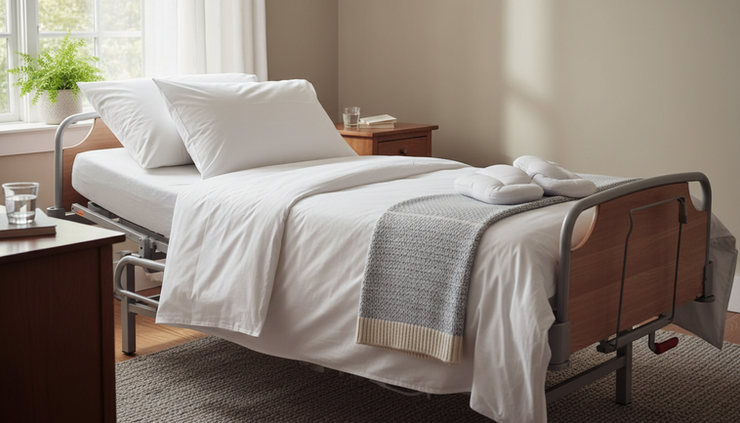
Why immobility leads to pressure sores
Skin needs regular blood flow to stay healthy. When the same area of the body stays pressed against a mattress, chair, wheelchair, or cushion, tiny blood vessels can become compressed. Less blood reaches the tissue, which means less oxygen and fewer nutrients. If the pressure continues, the tissue can become injured and eventually break down.
Immobility increases risk because the body cannot make its usual small adjustments. Most people shift position often without noticing. They move a hip, lift a heel, turn slightly, or adjust their sitting posture. A person with limited movement may not be able to do this without help.
Common situations that increase risk include:
Recovery after surgery or a fracture
Stroke, spinal cord injury, or nerve conditions
Severe weakness from illness
Advanced age and frailty
Sedation or reduced alertness
Long periods in bed or a wheelchair
Pain that makes movement difficult
A person may be bedridden, bedsores may develop into ulcers, and prolonged bed rest can make home care more complex if prevention is not built into the daily routine.
Pressure is not the only cause
Pressure sores often develop because several forces and conditions happen together.
Shear occurs when skin stays in place but deeper tissue moves. This can happen when someone slides down in bed with the head of the bed raised. The skin may drag against the sheet while the skeleton shifts downward.
Friction happens when skin rubs against bedding, clothing, or a chair surface. Fragile skin can blister or tear more easily.
Moisture makes skin softer and more vulnerable. Sweat, urine, stool, wound fluid, or damp bedding can weaken the skin barrier.
Poor nutrition and hydration can slow skin repair. Low protein intake, poor appetite, dehydration, and unintentional weight loss can all affect healing.
Reduced sensation also matters. If someone cannot feel pain or discomfort clearly, they may not know that one area is under too much pressure.
The stages of pressure sores and what they look like
Pressure sores are grouped by how deep the injury goes. Early signs can be subtle, especially on darker skin tones, where redness may be less obvious. Look for changes in colour, warmth, firmness, swelling, pain, or texture.
The table below gives a practical overview. A trained clinician should assess and stage any suspected pressure injury.
Stage | What it looks or feels like | Severity |
Stage 1 | Skin is intact but discoloured. It may look red, purple, blue, or darker than nearby skin. The area may feel warm, firm, soft, painful, or itchy. The colour does not fade when pressed. | Early skin injury. It can improve if pressure is relieved quickly. |
Stage 2 | The top layers of skin are broken. It may look like a shallow open sore, blister, or pink-red moist wound. | Partial skin loss. Infection risk begins to rise. |
Stage 3 | The wound extends into deeper tissue. Fat may be visible. The sore may look like a crater. There may be drainage or dead tissue. | Full-thickness skin loss. Healing usually needs clinical wound care. |
Stage 4 | The wound is deep enough to expose or involve muscle, tendon, ligament, cartilage, or bone. | Severe injury. It carries a higher risk of serious infection and complications. |
Unstageable | The base of the wound is covered by dead tissue or scab-like material, so the depth cannot be seen. | Severity is unclear until the wound is properly assessed. |
Deep tissue pressure injury | Skin may be intact or broken, with deep red, maroon, or purple discolouration. It may feel painful, boggy, warm, or cool. A blood-filled blister may appear. | Damage may be deeper than it first appears. It can worsen quickly. |
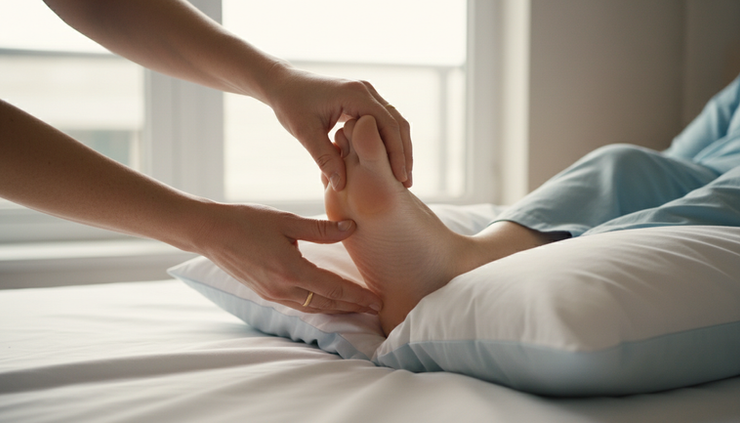
Early signs should not be ignored
Stage 1 pressure sores are a key chance to act. At this point, the skin is not open yet. Relieving pressure, keeping the skin clean and dry, and improving support may prevent the sore from getting worse.
Watch for these changes:
A patch that stays red or discoloured after pressure is removed
Skin that feels warmer or cooler than surrounding skin
Swelling or hardness
Tenderness, burning, or itching
Shiny, dry, cracked, or softened skin
Blisters or shallow breaks
For people with darker skin, look beyond redness. Changes may appear as purple, blue, grey, or darker brown patches. Temperature, firmness, swelling, and pain can be more reliable clues.
When to get help quickly
Seek medical advice if there is an open sore, black tissue, pus, spreading redness, a bad smell, worsening pain, fever, or confusion. These may signal infection or deeper tissue damage.
People with diabetes, poor circulation, reduced immunity, or reduced sensation should get help early, even for small wounds. Healing can be slower, and complications can develop faster.
Prevention starts with reducing pressure
The most effective prevention plan reduces pressure, protects skin, and supports the person’s overall health. It should fit the person’s mobility level, comfort, medical condition, and daily routine.
Repositioning helps restore blood flow
Repositioning is one of the core ways to prevent pressure sores. The goal is to avoid long, uninterrupted pressure on the same area.
For someone in bed, a care plan may include:
Turning from back to side at regular intervals
Using a 30-degree side-lying position rather than lying directly on the hip
Keeping heels lifted off the mattress with pillows or heel protectors
Avoiding direct pressure on existing red or sore areas
Using a draw sheet or slide sheet to reduce dragging
Keeping the head of the bed as low as medically safe to reduce sliding
A common guide is to change position at least every 2 hours in bed, but some people need more frequent changes and others may need a different schedule. A nurse, doctor, or therapist can help set a safe plan.
For someone sitting in a chair or wheelchair, pressure relief is just as important. The plan may include:
Shifting weight often if the person can do so safely
Leaning forward or side to side with support
Using the correct wheelchair cushion
Checking that feet are supported
Limiting time in one sitting position when needed
Do not massage red or damaged skin over bony areas. Massage can worsen tissue injury, especially when deeper damage has already started.
Small positioning details matter
Positioning should support the whole body, not just the sore area. Poor alignment can create new pressure points.
Helpful habits include:
Place pillows between knees and ankles when side-lying.
Keep toes, heels, and elbows from pressing hard into the bed.
Smooth out wrinkles in sheets and clothing.
Avoid tight socks, seams, or medical tubing pressing into skin.
Check under oxygen tubing, splints, braces, and continence products.
Comfort matters too. If repositioning causes pain, people may resist turning. Using pillows, slow movements, and pain relief as prescribed can make repositioning easier.

Skin care and daily checks protect vulnerable areas
Pressure sore prevention depends on regular skin checks. The best time is often during bathing, dressing, continence care, or repositioning.
Check high-risk areas at least once a day, including:
Heels and ankles
Tailbone and buttocks
Hips
Elbows
Shoulder blades
Back of the head
Ears, especially if tubing or devices are used
Skin folds and areas under medical equipment
A mirror or phone camera can help check hard-to-see areas, but privacy and consent matter. If a caregiver is helping, explain what is being checked and why.
Keep skin clean, dry, and moisturised
Healthy skin handles pressure better than damaged skin. A simple routine can make a real difference.
Use a gentle cleanser and warm water. Avoid harsh scrubbing. Pat skin dry rather than rubbing. Apply moisturiser to dry skin, but do not leave heavy cream between skin folds where moisture can build up.
For people with incontinence, cleanse the skin promptly after urine or stool contact. A barrier cream can protect the skin from moisture. Change wet clothing, pads, and bedding as soon as possible.
Good bedding also helps. Sheets should be clean, dry, and smooth. Avoid crumbs, wrinkles, and rough fabrics that can irritate fragile skin.
Support healing from the inside
Skin repair needs enough fluid, energy, and nutrients. Poor intake can raise the risk of skin breakdown and slow healing.
Encourage balanced meals when possible, including protein foods such as eggs, fish, chicken, tofu, beans, yoghurt, or milk. Fluids also matter, unless a doctor has advised fluid restriction.
If appetite is poor, weight is dropping, or swallowing is difficult, ask a healthcare professional for advice. Dietitians and speech therapists can help with safe, nourishing options.
Specialised equipment can reduce risk
Equipment does not replace repositioning and skin care, but it can lower pressure and make care safer.
Common options include:
Pressure redistribution mattresses or mattress overlays
Alternating pressure mattresses
Wheelchair pressure cushions
Heel protectors or heel offloading boots
Wedge pillows for side positioning
Slide sheets to reduce friction during transfers
Adjustable beds for safer positioning
The right choice depends on risk level, body size, mobility, wound status, and where the person spends most of the day. A cushion that helps one person may not suit another. Poorly fitted equipment can create new pressure points.
Avoid improvised fixes that create pressure
Some well-meaning solutions can cause harm. Ring-shaped cushions, for example, may increase pressure around the edge of the ring and reduce blood flow in the centre area. Stacking many pillows without proper alignment can also twist the body or create uneven pressure.
If pressure sores are already present, ask for a wound care assessment. Dressings, offloading plans, and support surfaces should match the wound and the person’s overall health.
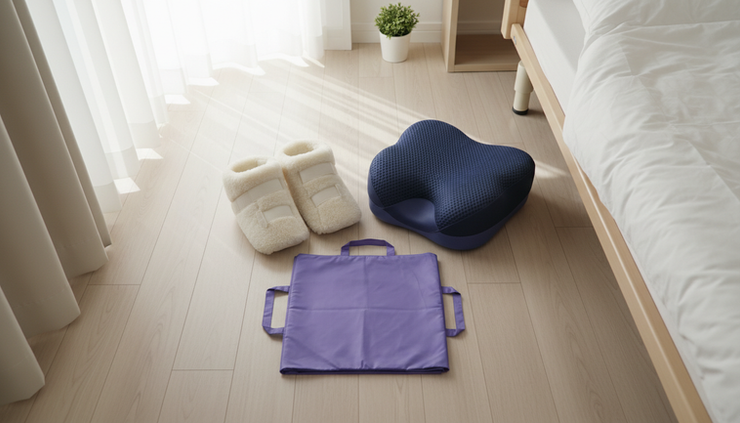
A practical prevention routine for daily care
Pressure sore prevention works best when it becomes part of the day rather than a separate task. A simple routine can help caregivers notice changes early and respond quickly.
A daily plan may include:
Check skin in the morning and evening.
Reposition regularly in bed and chair.
Keep heels lifted and supported.
Clean and dry skin after sweating or incontinence.
Apply moisturiser or barrier cream where appropriate.
Keep sheets smooth, dry, and free from wrinkles.
Encourage fluids and nourishing meals.
Record any red, dark, painful, warm, or broken areas.
Seek help early if the skin does not improve after pressure relief.
Documentation can be simple. A notebook with dates, skin changes, repositioning times, and photos taken with consent can help clinicians understand what is happening.
The key takeaway
Pressure sores can develop quietly, especially when someone has limited movement. The risk rises when pressure, shear, friction, moisture, poor nutrition, and reduced sensation come together.
The good news is that many pressure sores can be prevented or caught early. Regular repositioning, gentle skin care, daily checks, good nutrition, and the right support equipment all help protect vulnerable skin.
If a patch of skin does not return to normal after pressure is relieved, treat it seriously. Reduce pressure straight away and ask a healthcare professional for guidance. Early action can prevent a small skin change from becoming a serious wound.



Comments