
Home Wound Care for the Elderly - Practical Tips for Assessing, Cleaning, and Dressing Wounds


A small wound can become a big worry when an older person has thin skin, reduced mobility, diabetes, poor circulation, or a weaker immune response. The good news is that careful home care can lower the risk of infection and help many minor wounds heal well.
This guide is for everyday caregiving at home. It covers how to assess a wound, clean it safely, choose a suitable dressing, and track healing. It is informational only and does not replace advice from a doctor, nurse, or wound care professional.
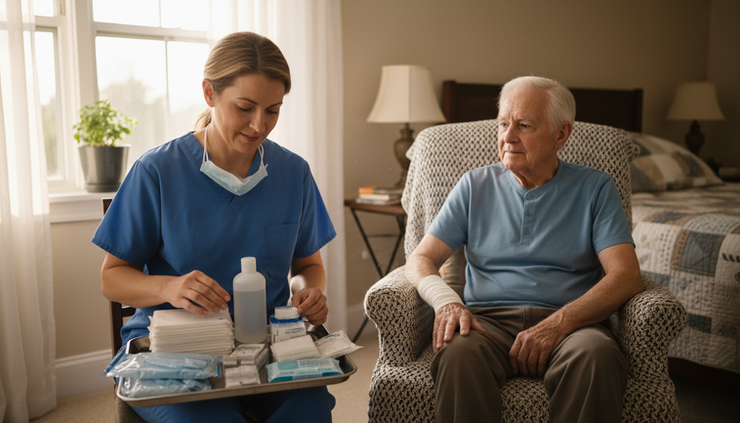
Older skin in elderly needs gentle and consistent care
Ageing skin is often thinner, drier, and easier to tear. Blood flow may also be reduced, especially in the legs and feet. Some older adults may not feel pain clearly because of nerve damage, dementia, stroke, or diabetes. That means a wound can worsen before anyone notices.
Common wounds in older adults include:
Skin tears These happen when fragile skin is bumped, scratched, or pulled by tape. They are common on arms, hands, and lower legs.
Pressure wounds Also called pressure injuries or bed sores, these form when constant pressure reduces blood flow to the skin. They often appear over bony areas such as the tailbone, hips, heels, elbows, and ankles.
Cuts and abrasions These may happen after a fall, scrape, or contact with furniture.
Surgical wounds These need careful dressing changes and close follow-up, especially after discharge from hospital.
Diabetic foot wounds These need extra caution. They can become serious quickly because sensation and circulation may be reduced.
Leg ulcers These may be linked to poor circulation, swelling, or vein problems. They often need professional assessment.
Good elderly wound care starts with patience. Rushing can cause more pain, disturb healing tissue, or damage the surrounding skin.
Assess the wound before you clean or dress it
Before touching the wound, wash your hands well with soap and water. Dry them with a clean towel. Put on disposable gloves if available, especially if there is blood, fluid, or broken skin.
If the wound is bleeding heavily, apply gentle pressure with clean gauze or cloth and seek medical help if it does not stop.
Check the person first
Look at how the person feels overall. A wound is only one part of the picture.
Notice whether they have:
Fever or chills
New confusion or unusual sleepiness
More pain than expected
Poor appetite
Dizziness or weakness
Higher blood sugar readings if they have diabetes
Older adults may not always develop a high fever when infected. A sudden change in behaviour, energy, or appetite can be a warning sign.
Look closely at the wound
Use good lighting. If the wound is on the foot, heel, back, or buttock area, position the person safely and protect their privacy.
Check these points:
Location and size Measure length and width if possible. A simple paper ruler can help. Write it down.
Depth Is it a shallow scrape, a deeper opening, or a wound where tissue under the skin is visible?
Colour of the wound bed Pink or red tissue can be a sign of healing. Yellow or grey tissue may need professional care. Black tissue should be checked by a healthcare provider.
Drainage Clear or light pink fluid can be normal in small amounts. Thick, green, yellow, brown, or bad-smelling drainage is concerning.
Skin around the wound Look for redness, warmth, swelling, bruising, rash, blisters, or white soggy skin.
Pain Ask about pain before, during, and after care. Increased pain can signal infection or pressure.
A simple wound diary helps. Write the date, wound size, appearance, drainage, pain level, dressing used, and any concerns. Photos can also help track progress, but only take them with the person’s consent and store them privately.
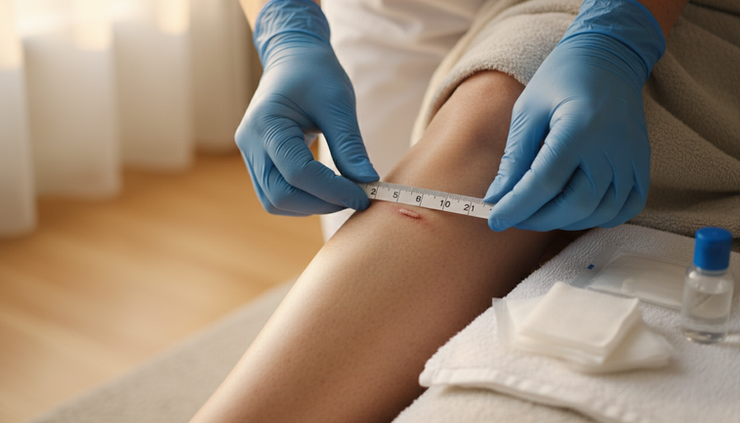
Clean the wound with a gentle method
Cleaning removes dirt, loose debris, and excess drainage. It should not be rough. Scrubbing can damage new tissue and slow healing.
Prepare a clean space
Choose a bright, calm area. Keep pets away during wound care. Clean the surface where supplies will sit.
Gather what you need before starting:
Disposable gloves
Clean gauze
Sterile saline or wound wash
A clean towel
Rubbish bag
Dressing supplies
Tape or bandage if needed
Moisturiser or barrier cream for surrounding skin, if advised
Wash hands before and after care, even if gloves are used.
Remove the old dressing carefully
Loosen tape slowly. Older skin can tear easily. If the dressing sticks, moisten it with saline and wait a few minutes before lifting it away.
Do not pull dried gauze from the wound. If removal causes bleeding or significant pain, stop and seek advice from a nurse or doctor.
Put the used dressing into a rubbish bag. Remove gloves, wash hands, then put on a new pair if you will continue cleaning.
Rinse rather than scrub
For many minor wounds, sterile saline is a good choice. If saline is not available, use clean running water for simple cuts and scrapes, unless a healthcare professional has given different instructions.
Gently rinse the wound. Pat the surrounding skin dry with clean gauze. Avoid rubbing over the wound bed.
Avoid using harsh products unless a clinician tells you to. Hydrogen peroxide, strong antiseptics, and alcohol can irritate tissue and may delay healing when used repeatedly.
Protect the surrounding skin
Moisture from wound drainage can soften nearby skin. Tape can also cause tearing. Keep the surrounding skin clean and dry. A thin layer of barrier cream may help protect intact skin around the wound, but do not pack cream into the wound itself.
For people with fragile skin, pressure wounds, bed sores, skin integrity concerns, wound dressings, and home care routines all need to be planned together rather than treated as separate issues.
Choose a dressing that matches the wound
A dressing should protect the wound, manage drainage, reduce friction, and support a moist healing environment. It should not be so wet that the skin becomes soggy, or so dry that the dressing sticks.
If a doctor or nurse has prescribed a dressing plan, follow it. Do not switch products without checking, especially for surgical wounds, ulcers, burns, or diabetic foot wounds.
Dressing option | Often used for | Caregiver tip |
Non-stick dressing pad | Minor cuts, skin tears, shallow wounds | Good when the skin is delicate and the wound is not heavily draining |
Gauze | Light drainage or temporary cover | Use with care because dry gauze can stick to healing tissue |
Foam dressing | Moderate drainage, pressure areas | Adds cushioning and absorbs fluid |
Hydrocolloid dressing | Some shallow wounds with low to moderate drainage | Not suitable for infected wounds unless advised |
Alginate dressing | Heavier drainage | Usually needs a secondary cover dressing |
Transparent film | Superficial wounds or to protect intact skin | Can trap moisture if used on draining wounds |

Secure dressings without damaging skin
Tape can cause skin tears. If tape is needed, use the smallest amount that holds the dressing in place. Paper tape or silicone tape may be gentler than standard adhesive tape.
For arms or legs, a light bandage or tubular retention bandage may hold a dressing without sticking to the skin. It should not be tight. Check fingers and toes for colour, warmth, swelling, and comfort after applying any wrap.
Change dressings at the right time
Change the dressing as directed by a healthcare professional or when it becomes wet, loose, dirty, or soaked through. Leaving a wet dressing on the skin increases the chance of irritation and infection.
During each change, compare the wound with your previous notes. The wound should gradually look cleaner, smaller, and less inflamed. Some wounds heal slowly, but they should not steadily worsen.
Prevent infection and protect healing skin
Infection prevention is a daily habit. It is not only about the wound dressing. Nutrition, movement, skin care, and pressure relief matter too.
Keep hands and supplies clean
Hand hygiene is one of the simplest and most effective steps. Wash hands before and after touching the wound, dressing, bedding, or used supplies.
Store wound supplies in a clean, dry container. Do not leave open gauze or dressings exposed. Check expiry dates on sterile products.
Never reuse disposable dressings. Do not share creams or ointments between people unless directed and safe to do so.
Reduce pressure and friction
Pressure wounds can develop when someone stays in one position for too long. Repositioning helps reduce pressure on bony areas.
For someone who spends long hours in bed or a chair:
Change position regularly if safe to do so
Keep heels off the mattress using pillows or approved heel protectors
Avoid dragging the person across sheets
Keep bedding smooth and dry
Use pressure-relieving cushions or mattresses if recommended
Look at the skin daily, especially heels, hips, tailbone, elbows, and ankles. Early redness that does not fade after pressure is removed needs attention.
Support healing from the inside
Healing needs enough fluid, protein, vitamins, and energy. Poor appetite, swallowing problems, dental pain, or nausea can slow wound healing. If eating becomes difficult, ask a doctor or dietitian for advice.
For people with diabetes, blood sugar control is closely linked with wound healing. Foot checks should become part of the daily routine. Look between the toes, under the foot, and around the heel. Seek help early for any blister, crack, redness, or wound on the foot.
Watch for infection signs
Seek medical advice if you notice:
Redness spreading away from the wound
Increasing warmth or swelling
More pain or tenderness
Pus or thick cloudy drainage
A bad smell after cleaning
Fever, chills, or sudden confusion
Red streaks on the skin
Skin turning black, blue, or grey
A wound that opens deeper or grows larger
Do not wait for severe symptoms if the person is frail, diabetic, on immune-suppressing medicines, or has poor circulation.
Track healing and know when to get medical help
Home wound care works best when there is a clear plan. Even small wounds need monitoring, especially when the person is older or has chronic conditions.
Signs that healing is moving in the right direction
A healing wound often shows:
Less redness and swelling
Less drainage
Less pain
Healthy pink or red tissue
Skin edges slowly moving closer
No bad smell
No fever or change in alertness
Progress can be slow. The key is a steady trend in the right direction.
When to contact a healthcare professional
Arrange medical review if:
The wound is from a fall, bite, burn, or puncture
The wound is deep, gaping, or has debris inside
Bleeding does not stop with gentle pressure
The person has diabetes and any foot wound
The wound is near the eye, face, genitals, or a joint
A pressure sore is present, even if small
The wound is not improving after several days of proper care
Pain, redness, swelling, or drainage increases
The dressing needs changing very often because it is soaked
You are unsure what dressing to use
Call emergency services or seek urgent care if there is heavy bleeding, severe pain, spreading infection, confusion, fainting, breathing difficulty, or signs of shock such as cold clammy skin.
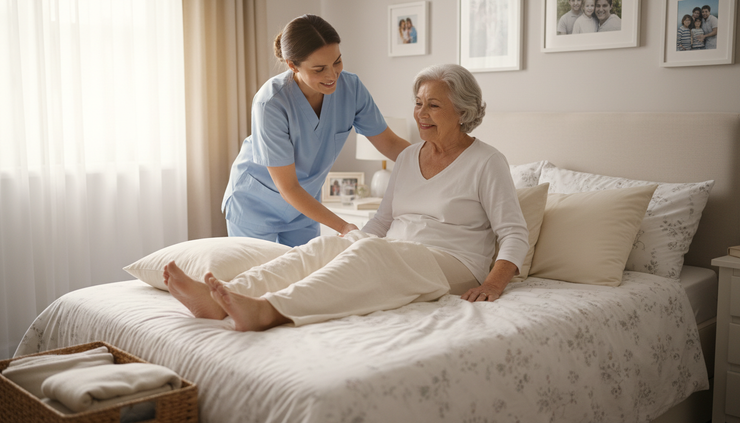
A simple home wound care routine can make care for elderly feel manageable
Caring for a wound at home can feel stressful at first. A routine makes it easier.
Use this simple pattern:
Wash hands and prepare supplies.
Check how the person feels.
Remove the old dressing gently.
Assess the wound and surrounding skin.
Clean with saline or clean water as appropriate.
Dry the surrounding skin.
Apply the recommended dressing.
Secure it without pulling on fragile skin.
Dispose of used supplies safely.
10. Write down what you saw and what you did.
The most helpful caregiver is not the one who does everything perfectly. It is the one who notices changes early, keeps care gentle and clean, and asks for help when something does not look right.
With steady observation, careful cleaning, and the right dressing, many wounds can be cared for safely at home. When healing stalls or warning signs appear, prompt medical advice can prevent a small wound from becoming a serious problem.



Comments