
High-Protein Meals for Seniors - Easy Healthy Choices and Meal Prep Tips


Loss of appetite, smaller meals, dental issues, and changes in taste can make it harder to eat enough protein with age. Yet protein remains one of the most useful nutrients for staying strong, healing well, and keeping meals satisfying.
Protein helps the body maintain muscle, support immune function, repair tissue, and preserve strength for everyday activities such as walking, bathing, climbing stairs, and carrying groceries. When meals are too low in protein, older adults may feel weaker, recover more slowly after illness, or find it harder to maintain a healthy weight.
Choosing high-protein meals for seniors does not need to mean complicated cooking or large portions. A good plan can be simple, familiar, affordable, and gentle on digestion. The aim is to include a protein food at each meal, prepare it in a healthy way, and adjust textures or ingredients for personal needs.
This article is for general information only. Anyone with kidney disease, swallowing problems, major weight loss, poorly controlled diabetes, or other medical concerns should seek advice from a doctor or dietitian.
Why protein matters more with age
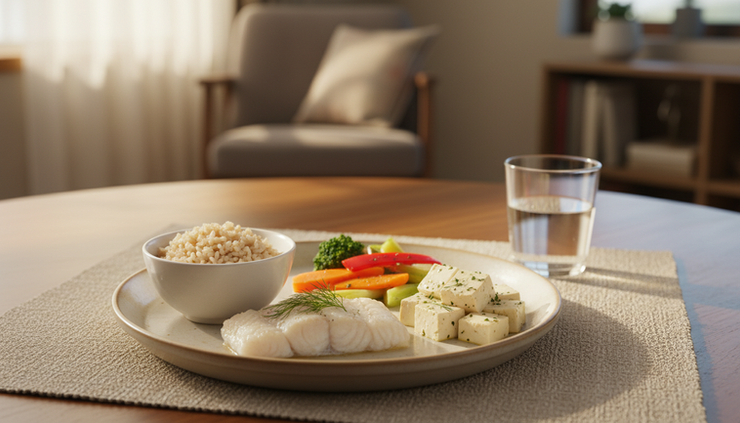
The body changes with age. Muscle mass tends to decline over time, especially when activity levels drop or meals become smaller. This natural loss of muscle can affect balance, mobility, and energy. Eating enough protein, together with safe movement and strength-building activity where possible, helps protect muscle and function.
Protein also supports:
Wound healing
Cuts, pressure sores, or surgical wounds need protein to repair tissue.
Immune health
Protein helps the body make immune cells and other compounds needed to fight infection.
Healthy weight
Protein-rich foods can make meals more filling, which is helpful when appetite is uneven.
Bone and joint support
Protein works alongside calcium, vitamin D, and physical activity to support strength.
Blood sugar control
When paired with fibre-rich carbohydrates, protein can help slow digestion and make meals steadier.
For many older adults, the challenge is not knowing that protein matters. The challenge is eating enough when chewing feels tiring, cooking feels like too much work, or meat no longer tastes appealing. That is where smart food choices and simple meal preparation make a big difference.
Good nutrition, home care, caregiving, meal preparation, and a balanced meal routine often meet in the same place: the kitchen table.
How to choose high-protein foods that are easy for seniors to enjoy
Protein comes from both animal and plant foods. A varied mix gives meals better flavour, texture, and nutrition. It also makes it easier to adjust meals for budget, culture, appetite, and medical needs.
Lean meats and poultry can be tender and simple
Lean meats are rich in high-quality protein, iron, zinc, and B vitamins. Choose cuts and cooking methods that keep the meat soft.
Good options include:
Skinless chicken breast or thigh, cooked until tender
Lean minced chicken, turkey, or pork
Lean beef in thin slices, stewed until soft
Pork tenderloin or lean pork slices
Meatballs made with lean mince and grated vegetables
For easier chewing, cut meat into small pieces, shred cooked chicken, or use minced meat in porridge, soup, noodles, or soft rice dishes. Slow cooking, steaming, braising, and simmering usually work better than frying until dry.
Limit processed meats such as sausages, luncheon meat, ham, and bacon. They can be high in salt and saturated fat. They may be fine as an occasional flavouring, but they should not be the main protein every day.
Fish and eggs are useful everyday proteins
Fish is soft, quick to cook, and often easier to chew than meat. Steamed fish, fish soup, sardines, salmon, tuna, and mackerel can all work well. Oily fish also provides omega-3 fats, which are part of a heart-friendly eating pattern.
Eggs are another practical choice. They are affordable, quick, and easy to prepare in many textures. Try:
Scrambled egg with spinach
Steamed egg custard
Boiled egg with wholegrain toast
Egg added to porridge or noodle soup
Omelette with mushrooms and tomatoes
For seniors with cholesterol concerns, it is best to follow individual medical advice. For many people, eggs can still fit into a healthy diet when meals are balanced and not high in fried foods.
Legumes and soy foods add protein and fibre
Legumes include beans, lentils, chickpeas, dhal, and peas. Soy foods such as tofu, tempeh, edamame, and soy milk are especially useful because they are soft or easy to cook.
These foods bring protein plus fibre, which supports digestion and heart health. They are also helpful for people who eat little meat or prefer lighter meals.
Try these gentle options:
Soft tofu in soup with vegetables
Lentil dhal with rice or chapati
Chickpea stew with carrots and tomatoes
Bean and vegetable soup
Tempeh slices baked, grilled, or lightly pan-fried
Unsweetened fortified soy milk with breakfast
If beans cause gas or bloating, start with small portions. Rinse canned beans well, cook dried beans until very soft, and choose split lentils or tofu more often.
Dairy foods support protein and calcium intake
Dairy foods provide protein, calcium, and other nutrients important for older adults. Useful choices include:
Milk
Yoghurt
Greek yoghurt
Cheese in small amounts
Cottage cheese
Milk powder added to food
Greek yoghurt is higher in protein than regular yoghurt. Plain versions are often better than sweetened ones because they contain less added sugar. Milk powder can be stirred into oats, soups, mashed potato, or soft desserts to raise protein without increasing portion size too much.
For lactose intolerance, lactose-free milk, yoghurt, or fortified soy milk may be easier to tolerate.
Build each meal around a clear protein portion
Portion size does not have to be exact at every meal. A simple visual guide is often enough.
For many older adults, a good starting point is to include one palm-sized portion of protein at main meals. This could be fish, chicken, tofu, eggs, lean meat, or legumes. Smaller appetites may do better with modest portions spread across the day instead of one large serving.
Here is a practical guide.
Protein food | Easy portion guide | Simple meal idea |
Cooked fish or chicken | About the size of the palm | Steamed fish with rice and soft vegetables |
Eggs | 1 to 2 eggs | Steamed egg custard with minced chicken |
Tofu | Half to one block, depending on size | Tofu and vegetable soup |
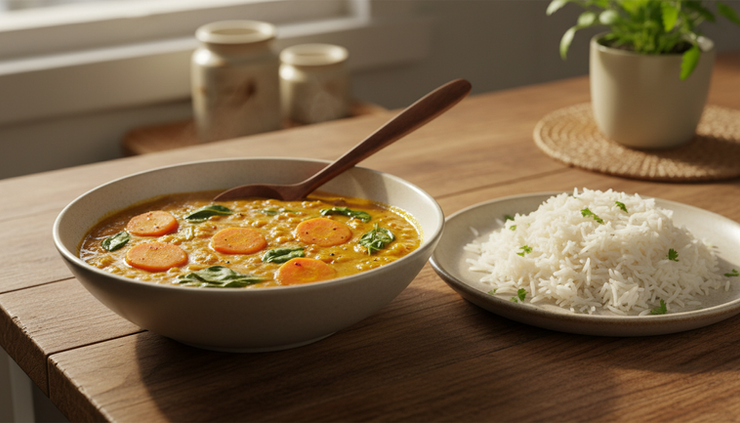
Lentils or beans | Half to one cup cooked | Lentil dhal with rice |
Greek yoghurt | One small bowl | Yoghurt with fruit and oats |
Milk or fortified soy milk | One cup | Drink with breakfast or blend into a smoothie |
Lean minced meat | A small palm-sized scoop cooked | Minced meat porridge with vegetables |
A balanced plate can be simple:
Protein
Fish, egg, tofu, chicken, legumes, dairy, or lean meat
Vegetables
Cooked greens, carrots, pumpkin, tomatoes, mushrooms, or other soft vegetables
Carbohydrate
Rice, oats, noodles, potatoes, wholemeal bread, bee hoon, chapati, or sweet potato
Healthy fat
A small amount of olive oil, canola oil, avocado, nuts, seeds, or oily fish
For someone with a small appetite, serve protein first or include it in foods they already enjoy. For example, add egg to porridge, tofu to soup, Greek yoghurt to breakfast, or shredded chicken to noodles.
Simple high-protein meal prep ideas for the week
Meal prep should make eating easier, not create a long cooking project. The best approach is to prepare a few flexible protein items that can be mixed into different meals.
Cook once and use protein in several ways
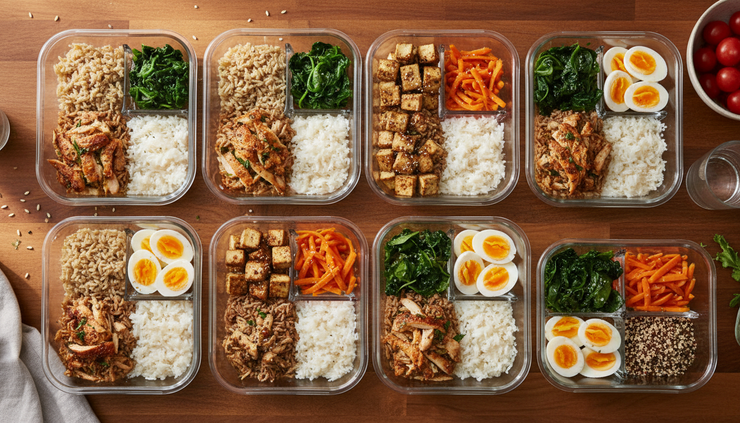
Prepare one or two protein foods at the start of the week, then use them in different meals.
Try these ideas:
Shredded chicken
Simmer chicken until tender, shred it, and keep it in the fridge for porridge, soup, sandwiches, or salads.
Steamed eggs
Make a soft steamed egg custard with water or low-salt stock. Add minced chicken, tofu, or mushrooms for extra protein.
Baked fish portions
Bake or steam fish in small portions. Pair with rice, noodles, or vegetables.
Lentil base
Cook lentils with onion, tomato, carrots, and mild spices. Serve with rice, toast, or soft chapati.
Tofu soup base
Prepare a simple soup with tofu, leafy greens, mushrooms, and egg. Keep flavours mild and salt controlled.
Hard-boiled eggs
Keep a few in the fridge for snacks, breakfast, or easy add-ons.
Cooked food should be cooled and stored safely. Refrigerate leftovers promptly, use clean containers, and reheat food until steaming hot. If food smells off or has been stored too long, throw it away.
Keep soft and easy options ready
Chewing and swallowing can become harder with age. Soft protein foods are useful on tired days or after dental work.
Good options include:
Soft tofu
Steamed egg
Flaked fish
Minced meat in porridge
Smooth peanut butter in small amounts
Greek yoghurt
Cottage cheese
Lentil soup
Smoothies made with milk or fortified soy milk
For swallowing concerns, seek professional advice. Some people need specific food textures or thickened fluids to reduce choking risk.
Make breakfast count
Breakfast is often low in protein, especially when it consists only of toast, plain porridge, or biscuits. A small protein boost can improve the whole day.
Easy breakfast ideas include:
Oats cooked with milk, topped with yoghurt
Wholemeal toast with egg
Rice porridge with shredded chicken and egg
Greek yoghurt with banana and soft oats
Fortified soy milk with wholegrain bread and peanut butter
Steamed egg with soft vegetables
If appetite is low in the morning, try a smaller breakfast with a protein drink, yoghurt, or half an egg sandwich.
Healthy cooking methods that protect flavour and nutrition
Protein foods can become dry or hard to chew when overcooked. Gentle cooking keeps texture soft and meals more enjoyable.
Better methods include:
Steaming fish, tofu, or egg
Simmering chicken in soup
Braising lean meat until tender
Baking fish with herbs and lemon
Stir-frying quickly with minimal oil
Cooking lentils and beans until soft
Using low-salt stock for flavour
To reduce salt without making food bland, use ginger, garlic, spring onion, coriander, pepper, lemon, lime, vinegar, or mild spices. Taste can change with age, so bright flavours may help.
Avoid relying too often on deep-fried foods, salty sauces, instant noodles, preserved meats, and heavily processed snacks. They can crowd out more nourishing foods and may be high in sodium.
How to adjust meals for common dietary restrictions
Protein needs can vary. Medical conditions, medications, appetite, and digestion all affect the best choices. These adjustments can help, but personal advice matters when health conditions are involved.
For kidney disease
Some people with kidney disease need to manage protein, sodium, potassium, or phosphorus. The right amount of protein can differ widely based on the stage of kidney disease and whether dialysis is involved.
Do not increase protein sharply without medical advice if kidney disease is present. A dietitian can suggest safe portions and suitable protein types.
For diabetes
Protein can be part of steady blood sugar management, especially when paired with high-fibre carbohydrates and vegetables.
Helpful choices include:
Fish with brown rice and vegetables
Tofu soup with a modest portion of noodles
Egg with wholemeal toast
Lentils with a controlled serving of rice
Plain yoghurt with fruit instead of sweetened yoghurt
Watch sweet drinks, desserts, large rice portions, and sweetened dairy products.
For high blood pressure or heart concerns
Choose lean proteins and keep sodium low. Fish, skinless poultry, tofu, beans, lentils, and low-fat dairy can fit well.
Limit:
Processed meats
Salted fish
Salty canned soups
Pickled foods
Heavy sauces
Deep-fried items
Canned fish or beans can be useful, but choose lower-salt versions where available and rinse canned beans before use.
For poor appetite or weight loss
Small, protein-rich meals may be easier than large plates. Add protein to familiar foods rather than increasing volume too much.
Try:
Milk powder stirred into porridge
Egg added to soup
Tofu added to noodles
Greek yoghurt as a snack
Peanut butter on toast
Cheese in small amounts with crackers
Smoothies with milk, yoghurt, banana, and oats
If weight loss is unexplained or ongoing, seek medical advice.
For vegetarian or mostly plant-based diets
A vegetarian diet can provide enough protein with planning. Use a mix of soy foods, legumes, dairy, eggs if eaten, nuts, seeds, and whole grains.
Simple meal ideas include:
Tofu and vegetable stir-fry with rice
Lentil dhal with chapati
Egg and tomato noodles
Greek yoghurt with oats and fruit
Chickpea and pumpkin stew
Tempeh with vegetables and rice
Plant proteins can be filling, so smaller, more frequent meals may help if appetite is low.
Easy meal ideas by time of day
A few reliable meals can remove the stress from daily decisions.
Breakfast ideas
Oats cooked with milk, topped with Greek yoghurt and soft fruit
Scrambled egg with spinach and wholemeal toast
Chicken porridge with egg and spring onion
Steamed egg with tofu and mushrooms
Fortified soy milk with banana and peanut butter toast
Lunch ideas
Fish soup with tofu, vegetables, and bee hoon
Chicken rice bowl with cucumber, greens, and less sauce
Lentil dhal with rice and cooked vegetables
Tuna or egg sandwich with salad
Tofu and minced chicken soup with noodles
Dinner ideas
Steamed fish with rice, pumpkin, and leafy greens
Soft chicken stew with carrots, potatoes, and peas
Tempeh with vegetables and brown rice
Minced meat and tofu with soft rice
Salmon or sardines with sweet potato and vegetables
Snack ideas
Greek yoghurt
Boiled egg
Milk or fortified soy milk
Cheese with wholegrain crackers
Hummus with soft pita
Smoothie with yoghurt, fruit, and oats
Tau huay with less syrup, when suitable
Snacks are especially useful for those who feel full quickly. A protein-rich snack between meals can make the day’s intake more balanced.
A simple one-day high-protein meal plan for seniors
This sample day shows how protein can be spread across meals without making portions too large.
Meal | Example |
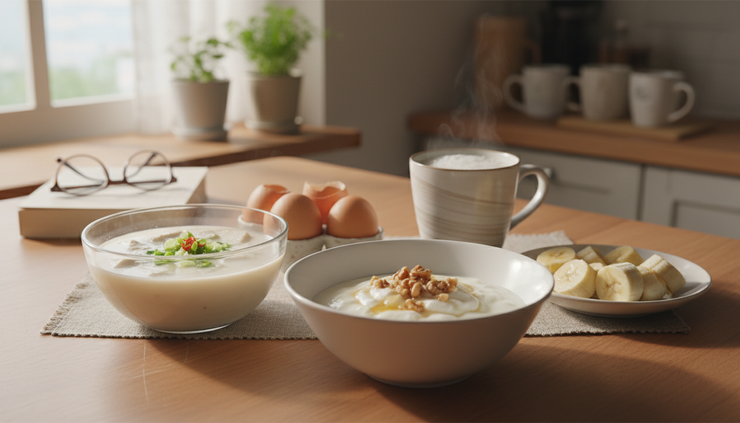
Breakfast | Oats cooked with milk, topped with Greek yoghurt and banana |
Mid-morning snack | Boiled egg or fortified soy milk |
Lunch | Fish soup with tofu, vegetables, and rice or noodles |
Afternoon snack | Hummus with soft bread or yoghurt with fruit |
Dinner | Steamed chicken or tofu with rice, pumpkin, and cooked greens |
Evening option | Warm milk, soy milk, or a small bowl of lentil soup |
This plan can be adjusted for appetite, chewing ability, medical needs, and food preferences. The pattern matters more than copying the exact foods: include protein regularly, keep textures manageable, and pair protein with vegetables and carbohydrates for a complete meal.
The main takeaway
Protein supports strength, healing, immunity, and independence in later life. The most helpful meals are simple and consistent: fish, eggs, tofu, lean meats, legumes, dairy, or fortified soy foods served in portions that feel manageable.
Start with one change. Add an egg to breakfast, keep tofu ready for soup, cook extra chicken for the week, or swap a low-protein snack for yoghurt or soy milk. Small steps can make meals more nourishing, easier to prepare, and more enjoyable every day.



Comments