
Nutrient-Dense Foods for Seniors - A Simple Guide to Healthy Aging


A smaller appetite can make every bite matter more. As people age, the body still needs protein, fibre, vitamins, minerals, and enough fluids, even when hunger is lower or meals feel harder to prepare. That is why food quality becomes just as important as food quantity.
Choosing nutrient-rich meals can support strength, steady energy, digestion, immune health, and day-to-day independence. It can also make mealtimes more enjoyable, especially when food is colourful, familiar, and easy to chew.
This guide offers practical ways to choose nutrient-dense foods for seniors, plan balanced meals, and prepare food with less stress. It is written for everyday use, including home kitchens, shared caregiving routines, and simple meals that fit Singapore-style eating habits.
This article is for general information only. Anyone with medical conditions such as diabetes, kidney disease, swallowing problems, heart disease, or recent weight loss should seek personalised advice from a doctor or dietitian.
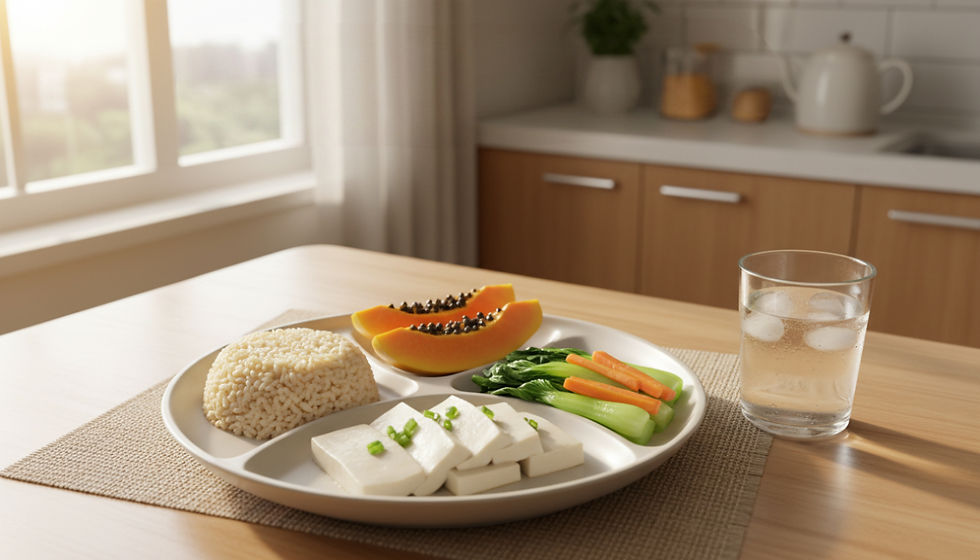
Nutrition plays a bigger role with age
Ageing changes how the body uses food. Muscle mass tends to decline over time, bones may become more fragile, and the immune system can need extra support. Some seniors also eat less because of dental issues, medication side effects, reduced sense of taste, loneliness, or difficulty shopping and cooking.
This does not mean meals need to become complicated. In many cases, the best approach is simple: choose foods that give more nutrition in each serving.
Nutrient-dense foods contain useful nutrients without relying heavily on added sugar, excess salt, or deep frying. They help the body get what it needs even when portions are modest.
Good nutrition can support:
Muscle strength
Protein-rich foods help maintain muscle, which supports walking, balance, and daily movement.
Bone health
Calcium, vitamin D, protein, and other minerals support bones and reduce the risk of frailty.
Energy levels
Whole grains, fruit, vegetables, and protein help keep energy steadier through the day.
Digestion
Fibre from vegetables, fruit, beans, oats, and whole grains supports bowel regularity.
Immune function
A varied diet provides vitamins, minerals, and antioxidants that help the body stay resilient.
Food also affects mood and quality of life. A warm bowl of soup, a familiar dish made lighter, or fruit shared after lunch can bring comfort as well as nourishment.
How to recognise nutrient-dense foods for seniors
A simple way to spot nutrient-dense options is to ask one question: what does this food give the body besides calories?
A sweet drink gives energy quickly, but little else. A bowl of oats with milk and banana gives energy, fibre, potassium, protein, and other nutrients. A plate of fried noodles may be filling, but a plate with vegetables, lean protein, and whole grains gives the body more to work with.
Look for foods that are colourful, minimally processed, and close to their natural form.
Choose colourful fruits and vegetables
Fruit and vegetables provide fibre, vitamins, minerals, and plant compounds that support general health. Colour is a useful clue. Different colours often bring different nutrients.
Good choices include:
Leafy greens such as spinach, chye sim, kailan, and bok choy
Orange vegetables such as pumpkin, carrot, and sweet potato
Red and purple foods such as tomato, capsicum, beetroot, and dragon fruit
Fruits such as papaya, banana, guava, orange, apple, pear, and berries
For seniors with chewing difficulties, try softer options. Steamed pumpkin, ripe papaya, soft-cooked spinach, vegetable soups, and stewed apples can be easier to manage.
Frozen vegetables can be a helpful shortcut. They keep well, cook quickly, and reduce food waste. Canned fruit can also be useful, but choose fruit in juice rather than heavy syrup when possible.
Pick whole grains more often
Whole grains provide more fibre and nutrients than refined grains. They can also help meals feel satisfying for longer.
Common options include:
Brown rice or mixed brown and white rice
Oats
Wholemeal bread
Wholegrain bee hoon or noodles when available
Barley
Quinoa
Chapati made with whole wheat flour
Switching fully to brown rice may feel too sudden for some seniors. A gentle step is to mix brown rice with white rice. Start with a small amount and increase slowly. This can make the texture more acceptable and reduce digestive discomfort.
Include lean protein at each meal
Protein is one of the most important nutrients in later life because it supports muscles, wound healing, and immune health. Many seniors do not get enough, especially if they skip breakfast or eat mostly porridge, bread, or noodles.
Lean and nourishing protein choices include:
Fish such as threadfin, salmon, sardines, mackerel, or batang
Skinless chicken
Eggs
Tofu, tau kwa, and tempeh
Beans, lentils, and chickpeas
Low-fat milk, yoghurt, or calcium-fortified soy milk
Lean pork or beef in moderate portions
Soft protein options are helpful when appetite is low. Try steamed egg, fish porridge with vegetables, tofu soup, dhal, or yoghurt with fruit.
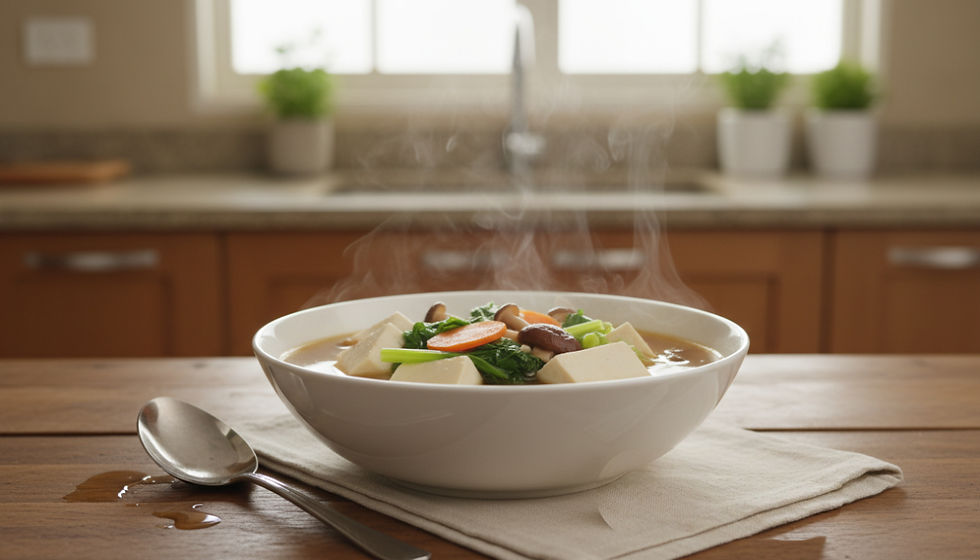
Build balanced meals without making cooking harder
A balanced meal does not need to look fancy. It only needs to include the main building blocks often enough.
A useful guide is the plate method:
Fill about half the plate with vegetables and fruit
Fill about one quarter with whole grains or starchy foods
Fill about one quarter with protein
Add a drink such as water, milk, or unsweetened tea
This pattern works with many local meals.
For example, mixed rice can become more balanced with brown rice, steamed fish or tofu, and two vegetable dishes. Porridge can become more nourishing with minced chicken, egg, tofu, spinach, and a side of fruit. Noodles can be improved with extra vegetables, lean protein, and less gravy or salty soup.
Good nutrition, home care, caregiving, balanced meals, and safe food preparation often overlap. When meals are easy to prepare and repeat, they are more likely to happen consistently.
Make familiar dishes more nourishing
Many seniors prefer familiar foods, and that is a strength. There is no need to replace favourite meals with unfamiliar “health food”. Small changes can improve nutrition while keeping comfort intact.
Try these ideas:
Add egg, tofu, fish, or minced meat to porridge
Stir chopped spinach or carrots into soup noodles
Use brown rice mixed with white rice for economic rice at home
Add beans or lentils to soups and stews
Choose steamed, grilled, braised, or soup-based dishes more often than deep-fried foods
Serve fruit after meals instead of sweet pastries every day
Use herbs, ginger, garlic, spring onion, lime, and vinegar to boost flavour with less salt
Taste can change with age. If food tastes bland, reach for aromatics before adding more soy sauce, salt, or seasoning powder.
Keep snacks useful
Snacks can help seniors who cannot eat large meals. The aim is to make snacks count.
Nourishing snack ideas include:
Banana with peanut butter
Yoghurt with soft fruit
Wholemeal toast with egg
Unsalted nuts, if chewing is not a concern
Steamed sweet potato
Calcium-fortified soy milk
Cheese with wholegrain crackers
Red bean soup with less sugar
Papaya or guava slices
For seniors who need to gain weight or recover after illness, snacks may need more protein and energy. A dietitian can suggest suitable options based on health needs.
Plan meals around appetite, energy, and routine
Meal planning helps reduce last-minute choices that may be less nourishing. It also lowers stress for caregivers and makes shopping easier.
Start with a simple three-day plan rather than a full week. Repeat meals if they work well. Consistency is more useful than variety that becomes hard to manage.
Use a simple meal planning rhythm
A practical plan might look like this:
Meal | Easy meal idea | Nutrition focus |
Breakfast | Oats with milk, banana, and ground nuts | Fibre, protein, calcium |
Lunch | Brown rice, steamed fish, chye sim, and papaya | Protein, vegetables, whole grains |
Dinner | Chicken and vegetable soup with tofu and noodles | Protein, fluids, soft texture |
Snack | Yoghurt or fortified soy milk | Protein, calcium |
Meal planning becomes easier when each meal has a “main anchor”. Pick the protein first, then add vegetables and a grain.
For example:
If the protein is fish, add rice and steamed greens
If the protein is egg, add wholemeal toast and fruit
If the protein is tofu, add soup vegetables and noodles
If the protein is chicken, add porridge and pumpkin
This approach prevents meals from becoming mostly starch.
Shop with a nutrient-dense list
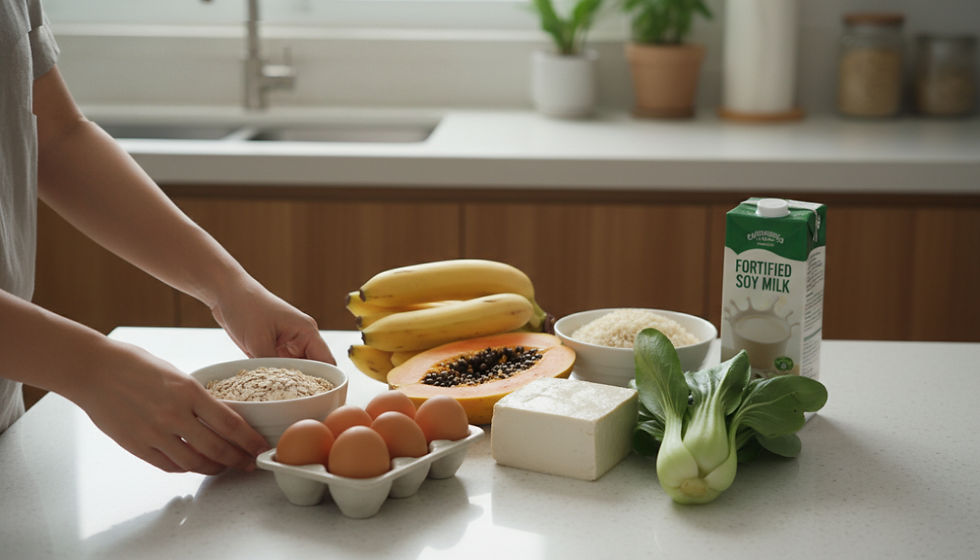
A short shopping list can make healthy choices more automatic.
Keep these basics on hand:
Eggs
Tofu or tau kwa
Frozen vegetables
Leafy greens
Oats
Brown rice or mixed grains
Canned sardines or tuna in water, when suitable
Low-fat milk or fortified soy milk
Fresh fruit that is easy to eat
Beans or lentils
Unsalted nuts or nut butter
For canned and packaged foods, read labels when possible. Choose options lower in sodium and added sugar. This is especially helpful for seniors managing blood pressure, diabetes, or heart health.
Prepare food so it is safe, appealing, and easy to eat
The healthiest meal will not help if it is too hard to chew, too dry to swallow, or too tiring to prepare. Good meal preparation balances nutrition with comfort and safety.
Adjust texture without losing nutrients
Some seniors avoid meat, vegetables, or fruit because they are hard to chew. Texture changes can help.
Try:
Slow-cooking lean meat until tender
Flaking fish into porridge or soup
Chopping vegetables finely before cooking
Steaming or stewing fruit
Blending soups with beans, pumpkin, or lentils
Making omelettes or steamed eggs for soft protein
Serving sauces or broth with dry foods
If coughing, choking, or wet-sounding speech happens during meals, seek medical advice. Swallowing problems need proper assessment.
Cook once and use twice
Batch cooking can reduce effort while keeping meals varied. Cook plain ingredients that can be used in different ways.
For example:
Cook a pot of brown rice and freeze portions
Steam extra pumpkin for porridge, soup, or side dishes
Prepare shredded chicken for sandwiches, noodles, or congee
Wash and cut vegetables for the next two days
Boil eggs for quick breakfasts or snacks
Store cooked food safely. Refrigerate leftovers promptly, keep raw and cooked foods separate, and reheat food until hot. Seniors can be more vulnerable to foodborne illness, so food safety matters.
Support hydration
Thirst can decrease with age. Some seniors also drink less because they worry about going to the toilet often. Dehydration can worsen tiredness, constipation, confusion, and dizziness.
Water is best for daily hydration, but fluids can also come from:
Soup
Milk
Fortified soy milk
Unsweetened barley water
Herbal tea
Watery fruit such as watermelon or orange
People with heart or kidney conditions may have fluid limits, so they should follow medical advice.
Make healthy eating feel encouraging, not restrictive
Food is personal. It carries memory, culture, routine, and comfort. A supportive approach works better than strict rules.
Small improvements add up. One extra serving of vegetables, one protein-rich breakfast, or one lower-sugar drink can make a real difference over time.
For caregivers, it helps to involve seniors in choices where possible. Ask which fruit they prefer, whether they want fish or tofu, or if they would rather have soup than rice. Choice supports dignity and can improve appetite.
For seniors living alone, keep meals simple and visible. Place fruit where it is easy to reach. Store ready-to-heat portions in clear containers. Keep a few emergency options, such as oats, eggs, canned fish, frozen vegetables, and milk or soy milk.
It also helps to share meals when possible. Eating with someone else can improve enjoyment and encourage better intake. Even a simple lunch together can turn food into a moment of care.
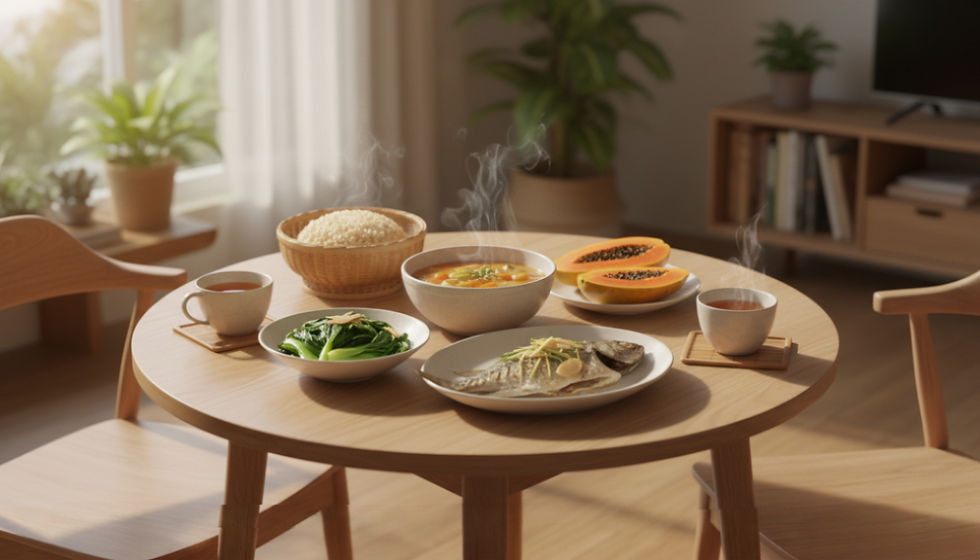
Healthy ageing is not built on one perfect meal. It comes from steady habits that provide enough protein, fibre, fluids, vitamins, and minerals day after day.
Start with one plate. Add colour with vegetables or fruit. Include a protein food. Choose whole grains more often. Keep preparation simple. With each small choice, meals can become a practical source of health, energy, and daily vitality.



Comments