
Practical Nutrition Tips for Seniors at Home


A good meal can do more than fill the stomach. For an older person, it can support strength, energy, mood, recovery, digestion, and daily independence. Yet eating well at home is not always simple. Appetite may drop. Chewing may become harder. Medication can affect taste. A once-loved dish may suddenly feel too salty, too dry, or too much effort.
The good news is that small changes can make meals easier, safer, and more nourishing. Caregivers do not need to cook complicated dishes or overhaul the whole kitchen. A few practical routines, simple meal ideas, and gentle ways to involve seniors can make nutrition feel less like a task and more like part of comfortable daily care.
This guide shares clear, home-friendly strategies for improving nutrition for elderly loved ones, with a focus on meals that are realistic for everyday caregiving.
This article is for general information only. For seniors with medical conditions, swallowing difficulty, kidney disease, diabetes, or major weight changes, seek advice from a doctor, dietitian, speech therapist, or other qualified health professional.
Build meals around simple balance
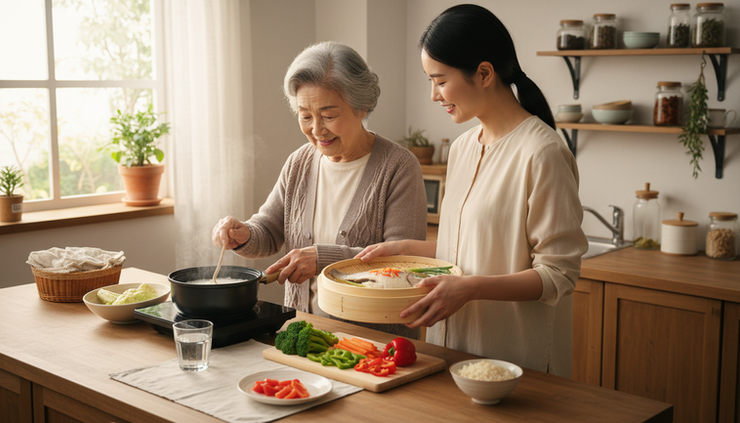
Balanced nutrition does not mean every plate must be perfect. It means most meals include a mix of foods that support the body in different ways. For older adults, this often means paying close attention to protein, fibre, calcium-rich foods, fluids, and foods that are easy to chew and digest.
A helpful starting point is to include:
Protein
Fish, eggs, tofu, chicken, beans, lentils, yoghurt, milk, or lean meat help maintain muscle and support healing.
Carbohydrates
Rice, noodles, oats, potatoes, wholemeal bread, bee hoon, or porridge provide energy for daily activities.
Vegetables and fruit
These add fibre, vitamins, minerals, colour, and flavour.
Healthy fats
Small amounts of avocado, olive oil, nuts, seeds, or oily fish can add energy, especially for seniors with smaller appetites.
Calcium and vitamin D sources
Milk, fortified soy milk, yoghurt, tofu set with calcium, and small fish with edible bones can support bone health.
For many seniors, smaller meals work better than large plates. A full serving may feel overwhelming, especially if appetite is low. Try offering three small meals and one or two nourishing snacks instead of insisting on large portions.
Think of food across the whole day rather than one meal. If breakfast is light, lunch can carry more protein. If dinner is small, a warm milky drink or yoghurt before bed may help fill the gap.
Keep meal ideas easy, familiar, and nutrient-rich for seniors at home
Nutritious meals do not need to be fancy. In fact, older adults often eat better when food feels familiar and comforting. The goal is to improve the meal without making it unrecognisable.
Here are practical meal ideas that work well at home.
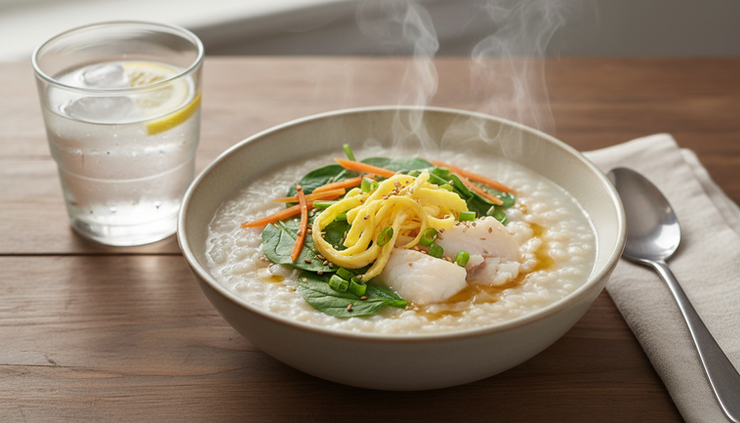
Soft rice porridge with added protein
Porridge is gentle, warm, and easy to adapt. Instead of plain porridge, add ingredients that improve nutrition.
Good add-ins include:
Shredded chicken
Flaked fish
Silken tofu
Egg stirred in while hot
Minced pork or turkey
Finely chopped spinach, carrots, pumpkin, or mushrooms
For more flavour without too much salt, try ginger, spring onion, garlic, sesame oil, white pepper, or a small amount of ikan bilis powder if suitable.
Egg dishes that cook quickly
Eggs are affordable, soft, and quick to prepare. They are useful when a senior is tired or has little appetite.
Simple options include:
Steamed egg with minced meat or tofu
Omelette with chopped vegetables
Scrambled egg on wholemeal toast
Egg drop soup with vegetables
Hard-boiled egg sliced into porridge or noodles
If cholesterol or other medical concerns are present, follow medical advice on how often eggs should be included.
Nourishing soups with texture options
Soup can be comforting, hydrating, and easy to swallow for some seniors. Add ingredients that make it more filling.
Try combinations such as:
Chicken, potato, carrot, and cabbage soup
Fish soup with tofu and leafy greens
Lentil soup with soft vegetables
Pumpkin soup blended with milk or fortified soy milk
ABC soup with lean meat and extra vegetables
If chewing is difficult, chop ingredients finely or blend part of the soup. If swallowing is unsafe or coughing occurs during meals, seek professional assessment before changing food textures.
One-bowl meals for busy days
One-bowl meals save time and reduce washing up. They can also be easier to eat.
Ideas include:
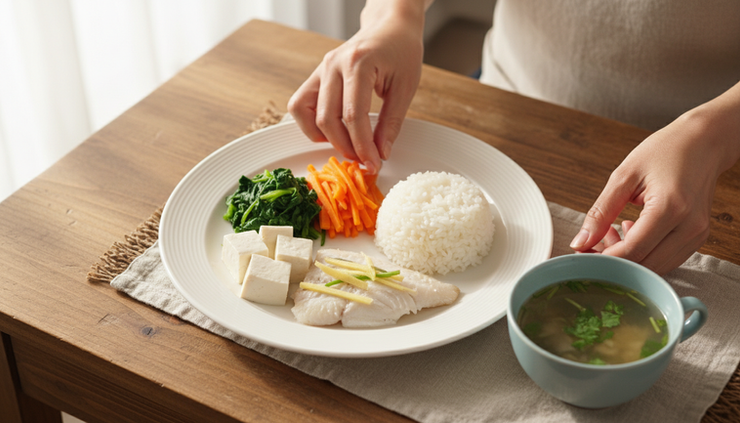
Brown rice or white rice with steamed fish, soft vegetables, and tofu
Mee sua soup with egg, minced meat, and spinach
Oats cooked with milk, banana, and ground nuts
Wholemeal sandwich with tuna, avocado, and cucumber
Soft noodles with chicken, chye sim, and egg
For seniors who tire easily, serve food in a bowl with a spoon rather than on a large plate. Cut pieces small before serving.
Snacks that add real nutrition
Snacks can help seniors who cannot manage big meals. Choose snacks that add protein, calcium, fibre, or energy.
Good choices include:
Yoghurt with soft fruit
Peanut butter on wholemeal toast
Cheese with crackers
Tau huay with less syrup
Smoothie made with milk, banana, and oats
Steamed sweet potato
Hummus with soft bread
Avocado mashed on toast
Keep snacks visible and easy to reach, if safe. A small bowl of cut fruit or a cup of yoghurt in the fridge may be more inviting than food that needs preparation.
Make hydration part of the routine
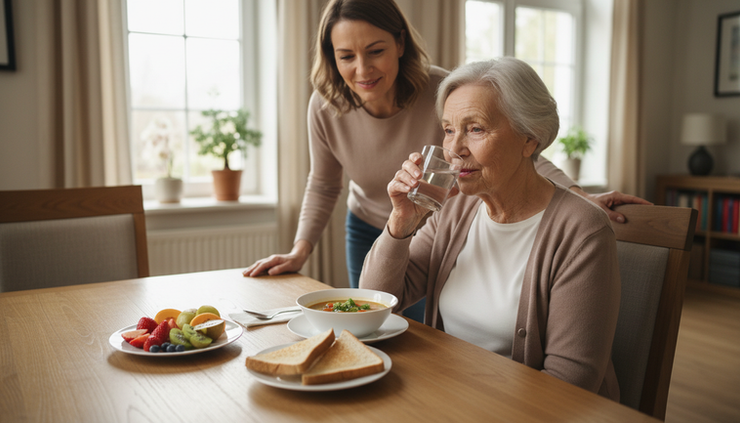
Dehydration can happen easily in older adults. Some feel less thirsty with age. Others avoid drinking because they worry about going to the toilet often, especially at night. Certain medications or health conditions may also affect fluid needs.
Hydration supports digestion, alertness, temperature control, kidney function, and comfort. It can also help reduce constipation, which is common among seniors.
Water is the simplest choice, but it is not the only source of fluid. Soups, milk, fortified soy milk, herbal teas, and water-rich fruit can contribute too. In Singapore’s warm and humid climate, fluid intake matters even more, especially if the person spends time outdoors or does not use air-conditioning.
Ways to encourage fluid intake include:
Offer small amounts often
A few sips every hour may work better than a large cup at once.
Keep drinks within reach
Place a lightweight cup or bottle near the favourite chair, bedside, or dining area.
Use preferred temperatures
Some seniors prefer warm water, while others drink more if water is chilled.
Add gentle flavour
Try lemon slices, cucumber, mint, barley water with less sugar, or diluted fruit juice if suitable.
Serve fluids with routines
Offer a drink after waking, with medication if allowed, before meals, after bathing, and during afternoon rest.
Include fluid-rich foods
Soup, porridge, watermelon, papaya, oranges, yoghurt, and jelly can help, though they should not fully replace drinks unless advised.
Watch for signs that may suggest low fluid intake, such as dry mouth, dark urine, dizziness, confusion, constipation, or unusual tiredness. These signs can have many causes, so arrange medical help if symptoms appear suddenly or seem serious.
For seniors with heart failure, kidney disease, or fluid restrictions, follow the care plan given by healthcare professionals. In those cases, “drink more” may not be safe.
Respect dietary restrictions and personal preferences when planning nutrition for seniors
Food is deeply personal. It carries memories, culture, comfort, and routine. A senior may refuse food not because it is unhealthy, but because it feels unfamiliar, dry, bland, too difficult to chew, or served at the wrong time.
Good nutrition works best when it respects both health needs and personal choice. In elder home care, caregiving often means finding a middle ground between medical advice and what the person will actually eat.
Adapt meals for common health needs
Dietary restrictions should be practical, not punitive. If a doctor or dietitian has advised changes, try adapting familiar dishes rather than banning favourites completely.
For lower-salt meals:
Use herbs, spices, garlic, onion, ginger, lime, vinegar, and pepper for flavour.
Choose fresh foods more often than processed meats, instant noodles, and salty sauces.
Reduce sauces gradually so taste buds have time to adjust.
For diabetes-friendly meals:
Serve regular meal times where possible.
Pair carbohydrates with protein and vegetables.
Choose whole grains when tolerated, such as oats, brown rice, or wholemeal bread.
Avoid sugary drinks as daily beverages unless medically needed.
For high cholesterol or heart concerns:
Choose steamed, soupy, grilled, or stir-fried dishes with less oil.
Use fish, tofu, beans, and skinless poultry more often.
Keep deep-fried foods for occasional treats, if allowed.
For chewing problems:
Choose soft proteins such as fish, tofu, minced meat, egg, yoghurt, and tender chicken.
Cook vegetables until soft.
Moisten food with gravy, soup, or broth.
Cut food into small pieces before serving.
For poor appetite:
Serve smaller portions on smaller plates.
Add energy with healthy fats, milk powder, nut butter, avocado, or olive oil where suitable.
Offer the most nourishing foods first.
Make meals calm, unhurried, and pleasant.
Honour taste and culture
A meal plan only helps if the senior eats it. Ask about favourite foods and build from there. If they love chicken rice, try serving tender chicken with less oily rice, cucumber, soup, and a smaller amount of chilli or sauce. If they enjoy noodles, add egg, fish slices, tofu, and vegetables.
Food preferences may also change. Medication, dental issues, illness, or reduced smell can affect taste. If food “has no taste”, try adding aroma with ginger, sesame oil, spring onion, coriander, garlic, or a squeeze of calamansi. If food tastes metallic, cold dishes or plastic cutlery may help some people.
Avoid turning every meal into a correction. Gentle adjustments usually work better than constant reminders about what cannot be eaten.
Involve seniors in planning and preparation
Eating is easier when a person feels included. Even small choices can restore a sense of control, especially for seniors who rely on others for daily care.
Involvement does not need to mean standing in the kitchen for an hour. Match the activity to energy, mobility, vision, and safety.
Helpful ways to include seniors include:
Ask them to choose between two meal options.
Invite them to suggest dishes for the week.
Let them rinse vegetables while seated.
Ask them to peel eggs or tear soft lettuce.
Let them stir batter or mix ingredients in a bowl.
Bring them along for grocery shopping if they enjoy it.
Show them photos of meal options if decision-making is hard.
Use familiar recipes from earlier family routines.
A simple weekly plan can reduce stress for everyone. Keep it flexible, with a mix of fresh meals, leftovers, and quick backup options.
For example:
Day | Easy meal idea | Simple nutrition boost |
Monday | Fish soup with rice | Add tofu and leafy greens |
Tuesday | Chicken porridge | Stir in egg and carrots |
Wednesday | Soft noodles | Add minced meat and chye sim |
Thursday | Steamed egg with rice | Serve with soup and vegetables |
Friday | Lentil or bean soup | Add yoghurt or fruit after |
Saturday | Rice with tofu and fish | Add avocado or sesame oil if suitable |
Sunday | Family favourite meal | Adjust salt, oil, or texture as needed |
Meal planning also helps spot gaps. If the week has very little protein, add eggs, tofu, fish, yoghurt, or beans. If vegetables are often missed, add them to soups, omelettes, porridge, or sauces.
Make mealtimes comfortable
Comfort affects intake. A senior who feels rushed, lonely, distracted, or embarrassed about eating difficulties may eat less.
Small changes can help:
Serve meals at regular times.
Make sure dentures, glasses, and hearing aids are in place if used.
Check that the chair supports good posture.
Reduce distractions during meals.
Eat together when possible.
Use non-slip mats, easy-grip cutlery, or bowls with higher sides.
Keep portions modest and offer seconds if wanted.
If the senior often coughs, chokes, stores food in the cheek, has a wet-sounding voice after drinking, or avoids certain textures, ask for a swallowing assessment. These signs should not be ignored.
Notice the benefits beyond the plate
Balanced nutrition supports more than weight. Over time, better meals and hydration can help seniors feel steadier, more alert, and more comfortable.
Possible benefits include:
Better strength and mobility
Enough protein and energy help maintain muscle, which supports walking, transfers, and daily activities.
Improved healing and recovery
The body needs nutrients to repair skin and recover from illness, wounds, or surgery.
More stable energy
Balanced meals can reduce energy dips and support daily routines.
Better digestion
Fibre and fluids can help with bowel regularity.
Stronger bones
Calcium, vitamin D, protein, and movement all play a role in bone health.
Improved mood and enjoyment
Familiar, pleasant meals can bring comfort and social connection.
Lower risk of nutrition-related problems
Eating well may reduce the chance of unintended weight loss, frailty, and nutrient gaps.
Caregivers can track changes without making meals feel clinical. Notice whether clothes are getting looser, food is often left unfinished, the senior seems weaker, or there are changes in mood, bowel habits, or energy. If weight loss is unexplained or appetite drops for more than a short period, arrange a medical review.
A steady approach works best
Improving nutrition at home does not require perfect meals. It starts with steady, caring habits: add protein to familiar dishes, offer fluids often, adapt textures, respect preferences, and invite seniors to take part in choices where they can.
Start with one or two changes this week. Add egg or tofu to porridge. Keep a drink within reach. Plan three simple meals ahead. Ask which dish sounds good tomorrow. These small steps can make eating feel easier and more enjoyable, while supporting health, comfort, and independence at home.



Comments