
Understanding Dysphagia: A Caregiver's Guide to Swallowing Difficulties


A simple sip of water can become frightening when swallowing no longer feels automatic. For someone with dysphagia, eating and drinking may involve coughing, choking, pain, embarrassment, or fear. Meals can take longer. Favourite foods may feel unsafe. Social gatherings may become something to avoid.
Dysphagia means difficulty swallowing. It can affect how food, fluids, saliva, or tablets move from the mouth to the throat and down into the oesophagus. Some people have mild symptoms that appear only with certain foods. Others may struggle with most meals and drinks.
This condition can affect people of any age, but it is more common among older adults and people living with neurological conditions, stroke, dementia, cancer, muscle weakeness, serious illness, or recovery after hospitalisation. Recognising the signs early matters because dysphagia can lead to dehydration, poor nutrition, chest infections, and a lower quality of life.
This article is for general information only and does not replace medical advice. Anyone with new, worsening, or worrying swallowing symptoms should speak with a doctor, speech therapist, or qualified healthcare professional.

What dysphagia is and how to recognise the symptoms
Swallowing involves many small, coordinated actions. The lips, tongue, throat muscles, airway, nerves, and oesophagus all need to work together. When any part of that process is weak, delayed, blocked, or poorly coordinated, swallowing can become difficult or unsafe.
Dysphagia may happen in different stages of swallowing.
Oral dysphagia affects the mouth stage. A person may struggle to chew, move food around the mouth, or push food back towards the throat.
Pharyngeal dysphagia affects the throat stage. Food or fluid may go the wrong way, towards the airway instead of the oesophagus.
Oesophageal dysphagia affects the tube that carries food to the stomach. Food may feel stuck after swallowing, often behind the breastbone or lower throat.
Common symptoms include:
Coughing or choking during meals
Throat clearing while eating or drinking
A wet, gurgly, or weak voice after swallowing
Feeling that food is stuck in the throat or chest
Taking a long time to finish meals
Drooling or difficulty managing saliva
Food spilling from the mouth
Regurgitation of food or fluid
Pain when swallowing
Avoiding certain textures, such as meat, rice, dry biscuits, or thin drinks
Unexplained weight loss
Dehydration or reduced fluid intake
Repeated chest infections or pneumonia
Fatigue during meals
Some signs are easy to miss. A person may stop eating foods they once enjoyed, cut food into very tiny pieces, drink less water, or say they are “not hungry” because eating feels tiring. Others may hide symptoms because they feel embarrassed.
A key warning sign is a change in breathing or voice after swallowing. If someone coughs often while drinking thin fluids, sounds wet after meals, or becomes breathless during eating, they should be assessed.
Causes and risk factors that can lead to dysphagia
Dysphagia is not a disease by itself. It is usually a sign of another condition affecting the muscles, nerves, structures, or reflexes involved in swallowing.
One common cause is neurological change. A stroke can affect the nerves and muscles that control swallowing, especially in the early recovery period. Conditions such as Parkinson’s disease, dementia, motor neurone disease, multiple sclerosis, and brain injury can also affect coordination, sensation, and muscle strength.
Ageing can raise the risk as well. Muscles may weaken, saliva production may change, teeth or dentures may affect chewing, and medical conditions often overlap. This is why dysphagia in elderly care needs close attention, especially when appetite, mobility, or memory have also changed.
Other possible causes include:
Head, neck, or throat cancers
Surgery or radiation treatment around the head, neck, or chest
Reflux disease that irritates the oesophagus
Narrowing, scarring, or blockage in the oesophagus
Respiratory illness that affects breathing during meals
Certain medicines that cause dry mouth or drowsiness
Poor dentition or ill-fitting dentures
Reduced alertness due to illness, infection, or medication
Prolonged hospitalisation or general weakness after illness
Risk also increases when someone has more than one health issue. For example, an older person recovering from an injury may also have reduced mobility, poor appetite, and fatigue. These factors can make safe eating harder, even if swallowing was previously normal.
How dysphagia affects eating, drinking, and social life
Dysphagia changes more than the mechanics of swallowing. It can affect confidence, independence, mood, and relationships.
Eating can become tiring and stressful
Meals may take much longer than before. Chewing can feel difficult. Food may need to be softer, moister, or cut into smaller pieces. Dry, crumbly, sticky, or mixed-texture foods can be harder to manage.
Common problem foods include:
Dry meat
Crumbly biscuits
Nuts and seeds
Rice that scatters in the mouth
Soups with both liquid and solid pieces
Leafy vegetables
Sticky foods such as peanut butter or glutinous rice cakes
When eating becomes tiring, a person may eat less. Over time, this can affect weight, strength, wound healing, and energy. Some people also lose interest in food because choices feel limited.
Drinking enough fluids can become difficult
Thin fluids, such as plain water, tea, and clear soup, can move quickly through the mouth and throat. For some people with swallowing difficulties, this speed makes coughing or aspiration more likely.
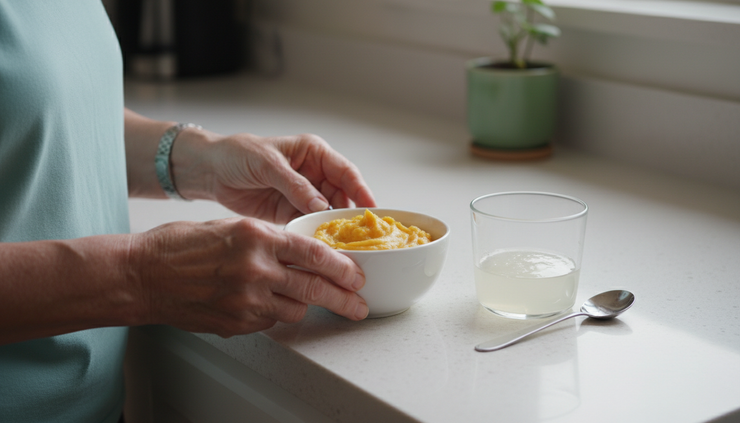
A speech therapist may recommend thickened fluids for safety. A water thickener can change fluid consistency so it moves more slowly and is easier to control. This should be used only as advised, because the right thickness depends on the person’s swallowing assessment.
Reduced drinking can lead to dehydration. Signs may include dark urine, dry mouth, dizziness, constipation, confusion, or tiredness. In warm climates such as Singapore’s, fluid intake deserves extra care.
Social meals may feel embarrassing
Food is closely tied to family, culture, festivals, and daily connection. When someone coughs at the table, needs modified food, or cannot eat the same dishes as others, they may feel exposed.
Some may avoid hawker centres, family gatherings, religious events, or celebrations because they worry about choking or needing help. Others may feel frustrated when well-meaning relatives say, “Just try a little,” without understanding the risk.
The emotional impact can be heavy. Dysphagia can cause anxiety, sadness, irritability, and a loss of independence. A person may grieve the loss of favourite foods or the ease of eating without being watched.
Support should protect both safety and dignity.
How caregivers can support someone with dysphagia
Caregivers play a vital role in day-to-day safety, but they should not carry the burden alone. Dysphagia care works best when family members, doctors, speech therapists, dietitians, nurses, and care workers share information clearly.
The goal is not only to prevent choking. It is also to help the person eat and drink with as much comfort, dignity, and enjoyment as possible.
Start with a proper swallowing assessment
If dysphagia is suspected, arrange a medical review. A doctor may check for underlying causes and refer the person to a speech therapist for swallowing assessment.
A speech therapist may recommend:
Safer food textures
Safer drink consistencies
Swallowing strategies
Positioning changes
Exercises, if suitable
Further tests, when needed
Avoid guessing the safest texture. Food that looks soft may still be risky if it is sticky, dry, crumbly, or separates into liquid and solids.
Make mealtimes calm and focused
A calm setting helps the person concentrate on swallowing. Reduce distractions such as television, rushing, or too many people talking at once.
Helpful habits include:
Seat the person upright, ideally at about 90 degrees
Keep them upright for a while after meals, if advised
Offer small mouthfuls and small sips
Let them swallow fully before offering more
Check that the mouth is clear before the next bite
Encourage slow, steady pacing
Stop the meal if coughing, breathlessness, or distress occurs
Never force food or fluids. If the person is sleepy, confused, breathless, or not alert enough to swallow safely, pause and seek advice.
Follow texture recommendations carefully
Texture-modified meals should still look and taste appealing. Soft food does not need to be bland. Moisture, seasoning, colour, and presentation all help.
Common texture changes may include minced, soft and bite-sized, finely chopped, or pureed food. The exact terms can vary by healthcare setting, so follow the plan given by the care team.
Care situation | Practical support |
Food feels dry | Add suitable gravy, sauce, or broth if allowed |
Thin drinks cause coughing | Use the recommended thickened fluid level |
Meals take too long | Offer smaller, more frequent meals |
Appetite is low | Serve nutrient-dense foods in manageable portions |
Tablets are hard to swallow | Ask a pharmacist or doctor before crushing or changing medicines |
The person feels embarrassed | Offer help quietly and avoid drawing attention |
Watch for changes and report them early
Swallowing ability can change with infection, tiredness, medication changes, disease progression, or recovery. A care plan that worked last month may no longer fit.
Speak with a healthcare professional if there is:
More frequent coughing during meals
A wet voice after eating or drinking
Fever or signs of chest infection
Unplanned weight loss
Reduced urine output or signs of dehydration
New refusal to eat or drink
Choking episodes
Food pocketing in the cheeks
Increased sleepiness during meals
Good caregiving also means keeping notes. Write down what foods are difficult, when coughing happens, and whether symptoms are worse at certain times of day. In an elder home care routine, these notes can help visiting nurses, therapists, or doctors adjust the plan.

Preserving dignity while managing risk
Safety matters, but dignity matters too. People with dysphagia often know they need help, yet they may dislike feeling monitored at every bite. Care can become more respectful with small changes.
Ask for preferences where possible. Offer choices between safe options, such as porridge or soft noodles, warm or cool drinks, chicken or fish. Use normal plates and cups if safe. Sit beside the person rather than standing over them. Avoid scolding if they cough or spill food.
Language matters. Instead of saying, “You cannot eat that,” try, “Let’s find a safer version of that dish.” Instead of rushing, allow time for the person to finish at their own pace.
For familiar foods, adaptations can help preserve enjoyment. A favourite curry may be served with softer ingredients and enough sauce. Fish may be flaked carefully and checked for bones. Fruit may be stewed or pureed if raw pieces are too hard. The aim is to keep food meaningful while reducing risk.
Oral care is another part of dignity and safety. Food residue in the mouth can increase discomfort and may contribute to infection risk, especially if saliva or residue enters the airway. Regular mouth care, denture cleaning, and dental checks can make eating more comfortable.

When to seek urgent help and what to remember
Some swallowing problems need prompt medical attention. Seek urgent help if someone is choking and cannot breathe, speak, or cough effectively. Emergency response steps may be needed.
Arrange medical review soon if swallowing difficulty appears suddenly, worsens quickly, or comes with weakness, facial drooping, slurred speech, chest pain, fever, repeated vomiting, or signs of dehydration. Sudden swallowing problems can signal a serious condition.
For ongoing dysphagia, the best support usually combines three things:
Recognition Notice coughing, wet voice, food avoidance, weight loss, and longer meals.
Assessment Get advice from qualified healthcare professionals instead of guessing.
Daily support Use safe textures, calm routines, good positioning, and respectful communication.
Dysphagia can make ordinary meals feel uncertain, but it does not remove a person’s need for pleasure, choice, and connection. With early recognition and thoughtful care, eating and drinking can become safer, less stressful, and more dignified. The most helpful next step is simple: take swallowing changes seriously, and ask for professional guidance before they become a crisis.



Comments