
Choosing the Best Pressure Relief Equipment for Home Comfort and Pressure Sore Prevention


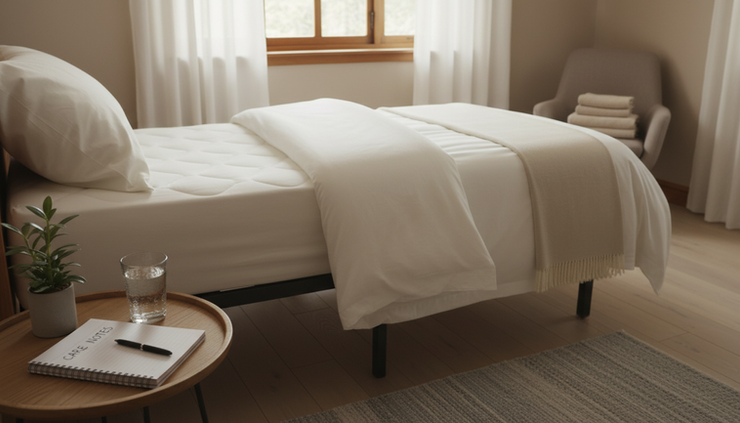
A favourite chair, a familiar bed, and a quiet room can help a person feel safe at home. But for someone who sits or lies in the same position for long periods, comfort also needs careful pressure care.
Pressure sores can develop when skin and soft tissue stay compressed between a bone and a surface, such as a chair, bed, or wheelchair seat. They often appear over areas like the tailbone, hips, heels, ankles, elbows, and shoulder blades. They can be painful, slow to heal, and stressful for both the person and the caregiver.
The good news is that the right home set-up can lower risk and make daily care easier. This guide explains how to choose practical pressure relief equipment for home use, including cushions, mattresses, and positioning aids. It is for general information only and does not replace advice from a nurse, doctor, physiotherapist, or occupational therapist.
Why pressure sore prevention matters at home
Pressure sores can start with small warning signs. The skin may look red, darker, warmer, harder, or softer than nearby skin. On darker skin tones, early changes may appear purple, blue, grey, or shiny rather than red. The area may feel sore, itchy, or numb.
People with limited mobility face higher risk because they may not be able to shift their weight easily. Risk can also rise when a person has reduced sensation, poor nutrition, incontinence, frail skin, swelling, or long periods of bed rest.
Prevention matters because a small skin change can become a wound if pressure continues. Home care often works best when equipment, routine, and observation support one another.
Useful prevention habits include:
Checking high-risk skin areas every day
Changing position regularly, based on care advice
Keeping skin clean and dry
Using breathable clothing and bedding
Avoiding dragging the skin during transfers
Making sure equipment fits the person and the space
The best pressure care plan is usually simple, repeatable, and realistic for the home.
One cushion or mattress will not solve every pressure risk. Good protection starts with matching the support surface to the person’s body, level of immobility, daily routine, and tolerance for repositioning.
Start with the person, not the product, when choosing the right pressure relief equipment
Before comparing products, look at how the person spends the day. A person who lies in bed most of the time needs a different set-up from someone who sits in a wheelchair for several hours and transfers to a standard bed at night.
Ask a few practical questions:
How many hours are spent in bed?
How many hours are spent sitting?
Can the person shift weight without help?
Is there pain, stiffness, or reduced sensation?
Are there existing skin changes or healed wounds?
Is the person at risk of sliding down the bed or chair?
Who will clean, move, and check the equipment?
If there is already broken skin, a wound, or repeated redness that does not fade after pressure is removed, seek medical advice promptly. The equipment choice may need to be guided by a wound care nurse or therapist.
Match support to risk level
For low risk, a well-fitted foam cushion, regular movement, and good seating posture may be enough. For higher risk, a person may need a specialist cushion, a pressure redistribution mattress, heel protectors, and a written repositioning plan.
Risk can change over time. After surgery, illness, weight loss, infection, or a period of poorer appetite, the same person may need more support than before.
Think about the caregiver too
A product that is difficult to lift, clean, or set up may not be used correctly every day. Ease of use matters. Choose equipment that fits the bed frame, chair, wheelchair, and bathroom routine. If a domestic helper, family member, or visiting nurse helps with care, make sure everyone knows how the item works.
Choose cushions that support sitting safely
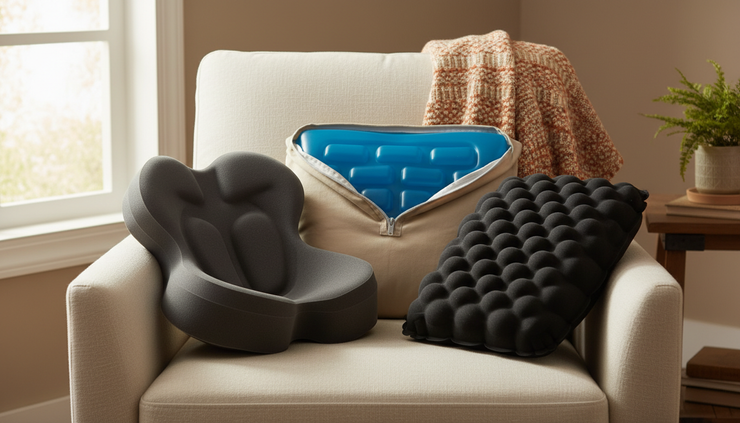
Cushions are often the first item people think of for seated pressure care. They can help spread weight more evenly and reduce concentrated pressure on the tailbone, hips, and thighs.
Common cushion materials include foam, gel, air cells, and hybrid designs.
Cushion type | What it may suit | What to check |
Foam | General support and everyday seating | Density, shape retention, washable cover |
Gel | Comfort and heat control for some users | Weight, leakage risk, stability |
Air cell | Higher pressure redistribution needs | Inflation level, puncture care, maintenance |
Hybrid | A mix of comfort, support, and pressure care | Fit, cleaning, user tolerance |
A cushion should fit the chair or wheelchair base properly. If it is too small, it may shift. If it is too thick, it may raise the person so their feet no longer rest well on the floor or footrests. Poor fit can increase sliding, discomfort, and posture problems.
Look for stability as well as softness
A very soft cushion may feel pleasant at first, but it can allow the body to sink too far. This may make transfers harder and posture less stable. Good cushions balance comfort, pressure distribution, and steady support.
Look for:
A non-slip base
A breathable, washable cover
Clear top and bottom markings
Suitable weight capacity
Enough support under the thighs
Compatibility with the chair or wheelchair
Use cushions correctly every day
Place the cushion the right way round. Smooth the cover and remove crumbs, folded fabric, or small objects underneath. Check that the person sits back fully, not perched at the edge.
If the person uses a wheelchair, avoid adding extra pillows on top unless a therapist recommends it. Extra layers can change posture and reduce the cushion’s intended effect.
Pick a mattress that suits bed time and skin risk
A mattress for pressure care should reduce constant pressure during rest and sleep. The right choice depends on how long the person stays in bed, whether they can turn, and whether there are current or previous pressure sores.
Common home options include high-specification foam mattresses, air mattresses, alternating pressure systems, and overlays placed on top of an existing mattress.
Foam mattresses
A high-quality foam mattress can work well for people with mild to moderate risk, especially if they can still move or accept regular repositioning. Foam is quiet, usually simple to maintain, and does not need electricity.
Check that the foam rebounds well and does not stay compressed. A sagging mattress can create pressure points and make turning harder.
Air and alternating pressure systems
Air mattresses and alternating pressure systems may suit people at higher risk or those who spend long periods in bed. These systems use air cells to redistribute pressure. Some use a pump to alternate pressure between cells.
They can be very helpful, but they need correct set-up. The pump must work, the hose should not kink, and the settings should match the person’s weight and needs. Noise, heat, and motion may affect sleep for some users, so comfort still matters.
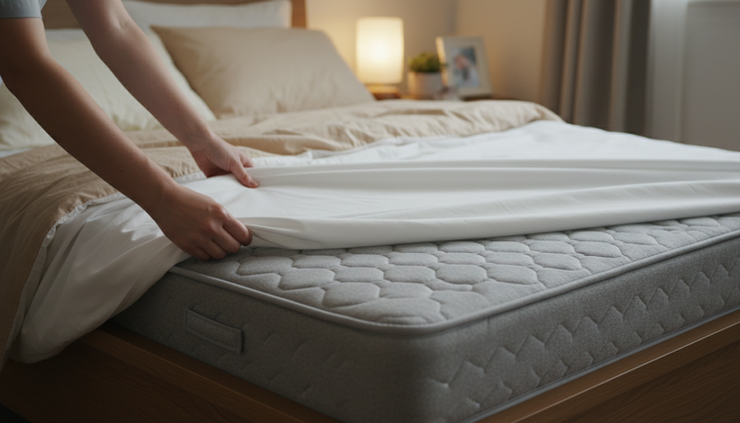
Overlays
An overlay can be useful when replacing a mattress is not possible. It sits on top of the current mattress. Make sure it does not make the bed too high or unstable for transfers.
For any mattress or overlay, check:
Bed size and frame compatibility
Weight range
Heat and moisture control
Cleaning instructions
Noise level, if powered
Backup plan during power cuts
Ease of changing sheets
Fitted sheets should not be too tight, as they can reduce the ability of the surface to move and contour to the body.
Use positioning devices to protect vulnerable areas
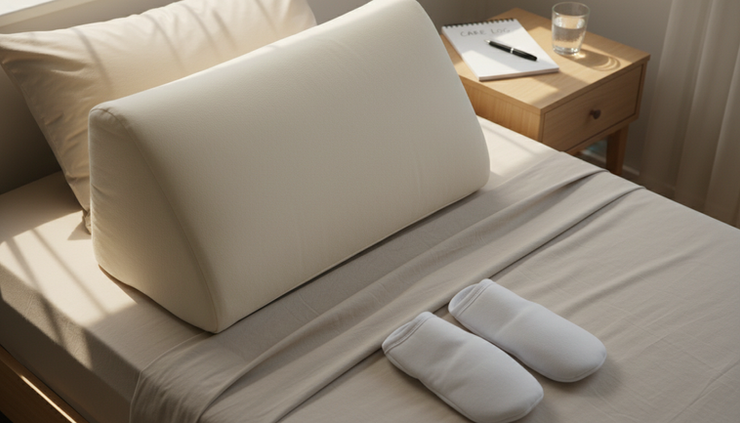
Positioning devices help keep the body aligned and reduce strain on bony areas. They include wedges, pillows, heel protectors, lateral supports, foot supports, and bed wedges.
They should make the position safer and more comfortable, not trap the person in one posture.
Protect the heels
Heels are especially vulnerable because the bone sits close to the skin. A pillow under the calves can lift the heels slightly off the bed, but it must not press hard behind the knees. Heel protectors may help when used correctly.
Check heels daily, especially if the person has diabetes, poor circulation, or reduced sensation.
Support side-lying positions
For side-lying, place support behind the back and between the knees. This can reduce pressure where knees and ankles touch. A slight tilt may be more comfortable than lying fully on the hip.
Avoid placing a person directly on a painful or reddened area.
Reduce sliding and friction
Sliding down a bed or chair can damage skin. Shear happens when deeper tissues move while the skin stays against the surface. To reduce friction, raise the bed head only as much as needed, use slide sheets for repositioning if trained, and keep the person well supported.
Good positioning is not only about putting pillows around the body. It is about keeping the body comfortable, aligned, and easy to check.
Key features to look for before buying
Pressure care items can look similar online, but small details make a big difference at home. Focus on what will be used daily, cleaned often, and fitted safely.
Material
Choose materials that suit the person’s skin and environment. Breathable covers can help with heat and moisture. Waterproof covers may be useful for incontinence, but they should still feel comfortable and not become slippery.
Look for covers that can be removed and cleaned. Check whether they are machine washable or wipe-clean only.
Support
Support should suit the person’s weight, body shape, and posture. A cushion or mattress that bottoms out is not giving enough protection. Bottoming out means the body sinks through the support and pressure builds against the surface underneath.
If possible, test the item with the person sitting or lying on it. Comfort while resting is not the same as comfort during transfers, meals, or TV time.
Ease of use
Good equipment should make care easier, not more complicated. Clear labels, simple cleaning, easy covers, and manageable weight all matter.
For powered systems, check that the controls are easy to understand. Cables should be kept away from walkways to prevent trips.
Fit in the home
Homes in Singapore can have limited space, especially in smaller flats. Measure before buying. Check doorway width, bed height, room to turn a wheelchair, and space for a caregiver to stand safely.
A highly rated item is only useful if it fits the person, the furniture, and the routine.
Build pressure care into the daily routine
Equipment works best when it becomes part of normal care. A simple routine is easier to follow than a complicated plan.
Try linking pressure care to regular moments in the day:
Morning wash
Dressing
Meals
Medication times
Afternoon rest
Bedtime
Toileting or continence care
During these moments, check skin, adjust cushions, smooth bedding, and change position if needed.
Keep a simple skin and position record
A notebook or phone note can help track skin changes and positions. Record what you see, where it is, and whether it improves after pressure is relieved. If redness or discolouration does not fade, ask a healthcare professional for advice.
Photos can help track changes, but only take and store them with consent and privacy in mind.
Make repositioning kinder
Repositioning can be tiring or painful. Explain what is happening before moving the person. Move slowly. Use proper transfer aids if advised. Avoid pulling arms or dragging skin across sheets.
If the person resists turning because of pain, stiffness, or fear of falling, speak with a therapist or nurse. The solution may be better pain control, gentler handling, different supports, or a new schedule.
A practical home checklist
Before choosing or replacing equipment, use this quick checklist:
Skin risk Has there been redness, discolouration, pain, or a previous sore?
Time in one position How long does the person sit or lie without moving?
Main pressure areas Are the tailbone, hips, heels, elbows, or shoulders under strain?
Comfort Can the person rest without pain or feeling unstable?
Cleaning Can the cover be cleaned quickly after sweat, spills, or incontinence?
Transfers Does the item make standing, hoisting, or wheelchair transfer safer?
Caregiver effort Can the caregiver move, adjust, and inspect it without strain?
Professional advice Has a nurse or therapist reviewed the set-up if risk is moderate or high?
The best choice of pressure relief equipment supports comfort, dignity, and consistency
Choosing equipment for pressure sore prevention is not about buying the most expensive cushion or the most technical mattress. It is about finding a set-up that the person can tolerate, the caregiver can manage, and the home can support every day.
Start with the person’s routine. Choose materials that are comfortable and easy to clean. Make sure every cushion, mattress, and positioning aid fits properly. Check the skin daily, respond early to changes, and ask for professional help when risk is high or wounds appear.
Small, steady habits make the biggest difference. With the right support and a routine that feels manageable, pressure care at home can become calmer, safer, and more comfortable for everyone involved.



Comments